Fixing Ineffective Education With Computer Programming
The post argues that our current educational system is ineffective because teachers and politicians rely on easy, superficial methods—such as projecting slides or using simple…

220 posts · 220 narrated · Jul 2022 – Mar 2023
The post argues that our current educational system is ineffective because teachers and politicians rely on easy, superficial methods—such as projecting slides or using simple…

The post argues that humanity’s slow march toward wisdom is mainly stalled by indoctrination, which keeps cultures in a state of complacent “harvestation” and prevents genuine…
On a rainy‑then‑snowy Friday, I set out to get chicken while driving at 30 mph over a pass, only to be chased by a reckless truck that left me with “googly wheels” and a few…
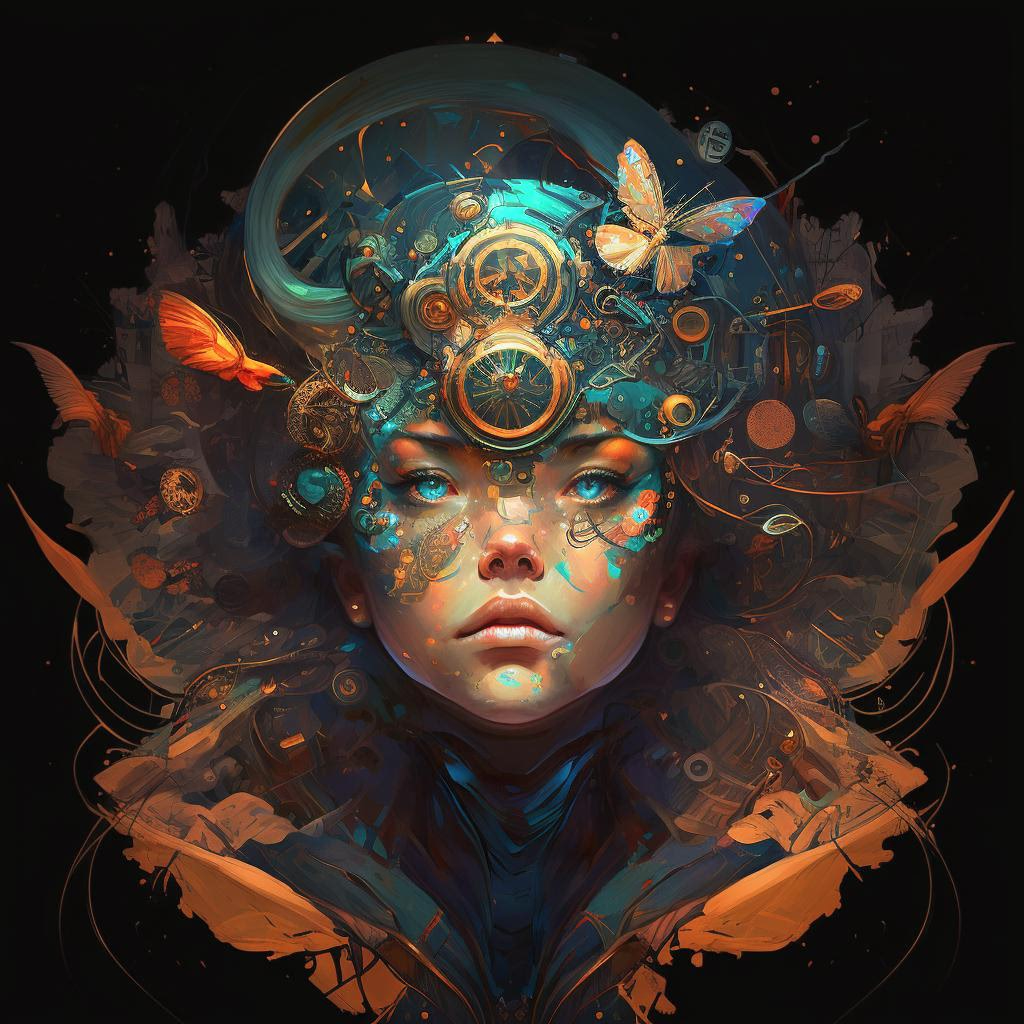
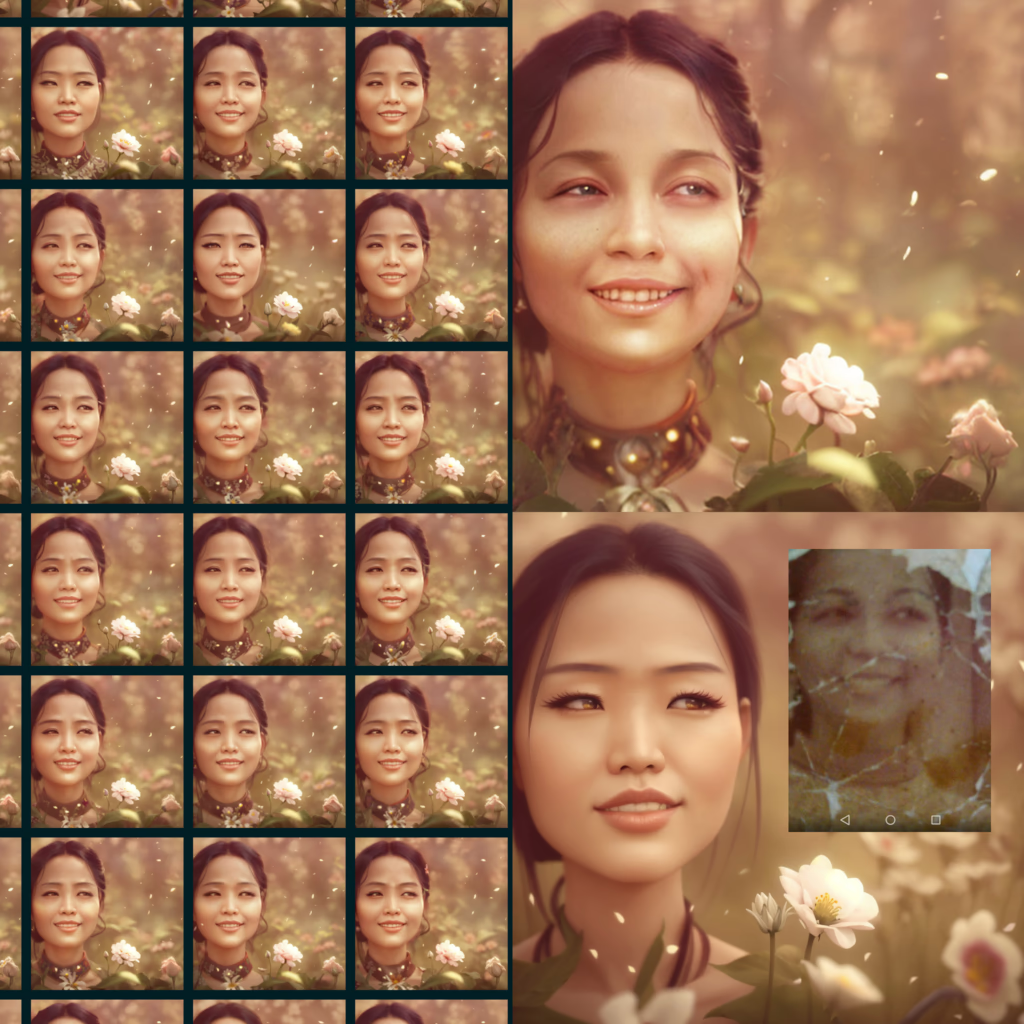
In my first month experimenting with AI‑generated art, I began by creating simple product images that were successfully approved in two test stores. Initially the output was cute…
The post paints an idiosyncratic picture of modern life’s return to the forest: humans build little “bathrooms” in the woods while hunters film themselves on satellite‑linked…
The post argues that true personal growth comes from embracing honesty and self‑authenticity: by freeing yourself from lies and manipulation you can regain your mind and rebuild…
After receiving a small nibble from Lady Philosophy, you quickly learn which books to choose and are guided through challenges with ease; philosophy turns reading into an artful…
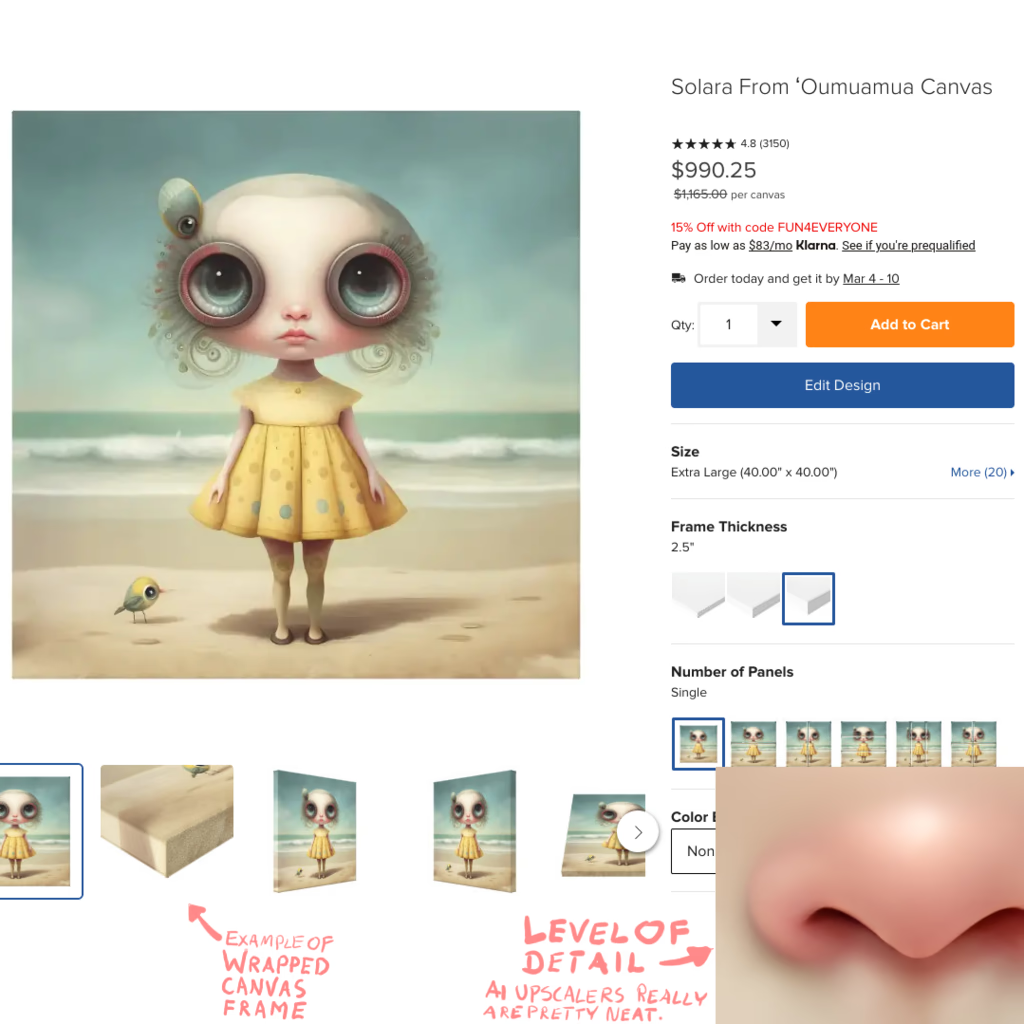
I describe how I used Krita’s Smart Patch Tool and GIMP’s Resynthesizer to refine an AI‑generated alien character named Solara, then explain the costs, sizing, framing, and…
The narrator takes his companion dog Muzyn on an adventurous trek across wheat‑stained fields and through a stormy hilltop, where they build a makeshift shelter of sticks and…
The post introduces how everyday symbols in URLs—slashes, question marks, hashes, equals signs, colons and at‑signs—form a language that lets you pass data to a server and keep…
The author reflects on a recent experiment with a language‑model AI that prompted simple questions from childhood, then uses the responses to sketch a series of essays on…
A whimsical compilation of nonsensical verses, including Edward Lear’s early 19th‑century poems “The Jumblies,” “The Owl and the Pussy‑Cat,” “The Duck and the Kangaroo,” followed…
A compilation of varied poems and prose passages—ranging from Longfellow’s exhortations on living fully to Tennyson’s eagle, Hughes’ dream imagery, Dylan Thomas’s night‑to‑action…
Create an online store on a big marketplace that takes about 50 % of each sale, then later upgrade to your own custom website where you can present customers with links to…
The author uses an AI‑generated list of poems—ranging from “The New Colossus” to Yeats’ works—to explore waking from indoctrination, America’s hopeful future, and personal…
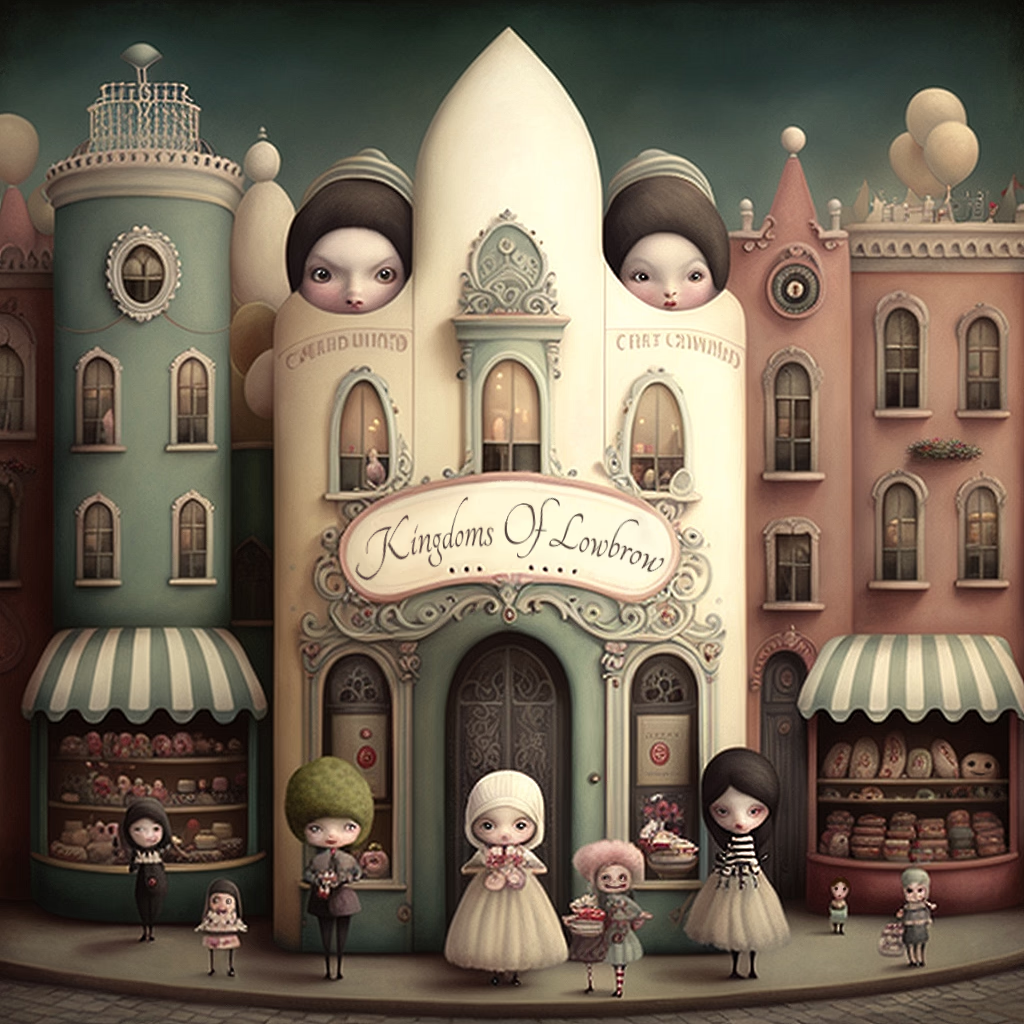
The post presents Tchaikovsky’s “Capriccio Italien” as a musical hymn to the newly imagined realm of Lowbrow, a whimsical kingdom where ordinary creatures are…
A long, eclectic post that blends a brief remark on quantum measurement with poetic prose and a multi‑section essay urging individual autonomy, comprehensive education, and…
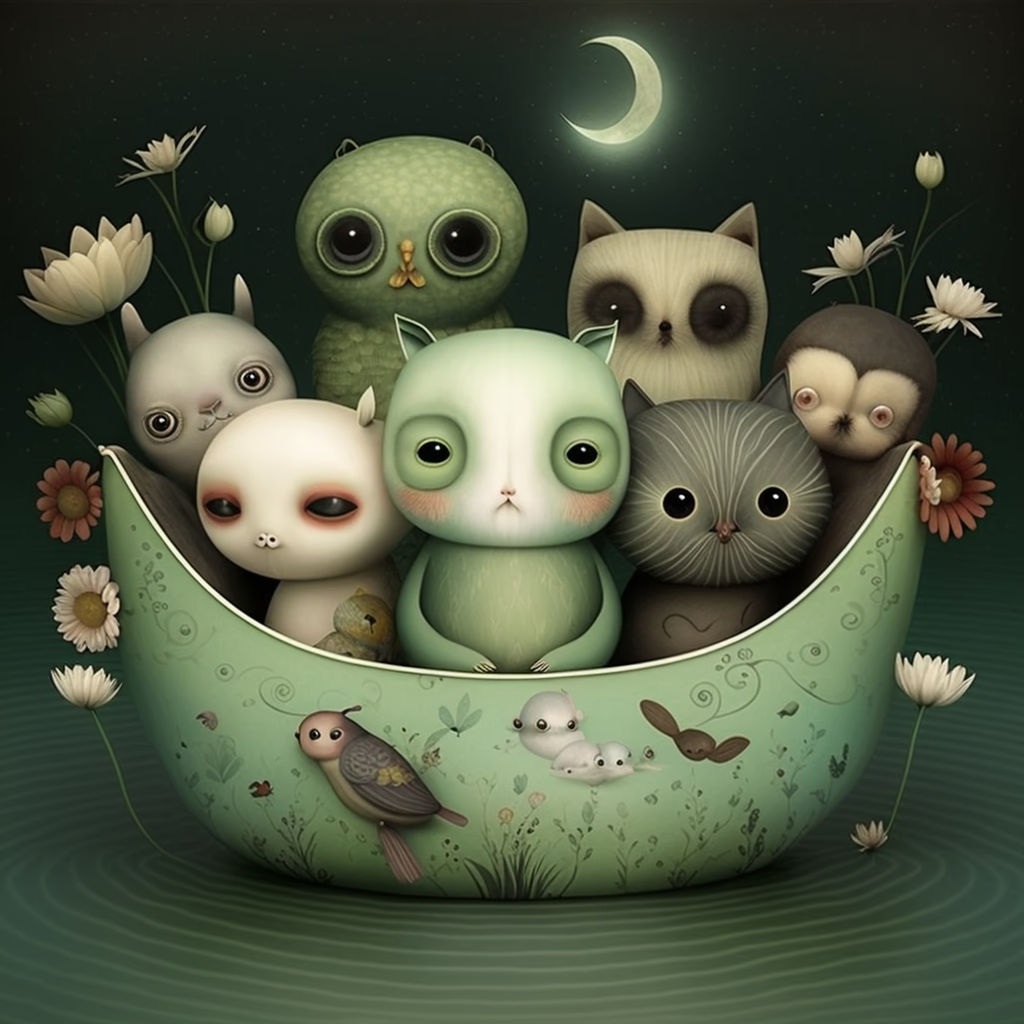
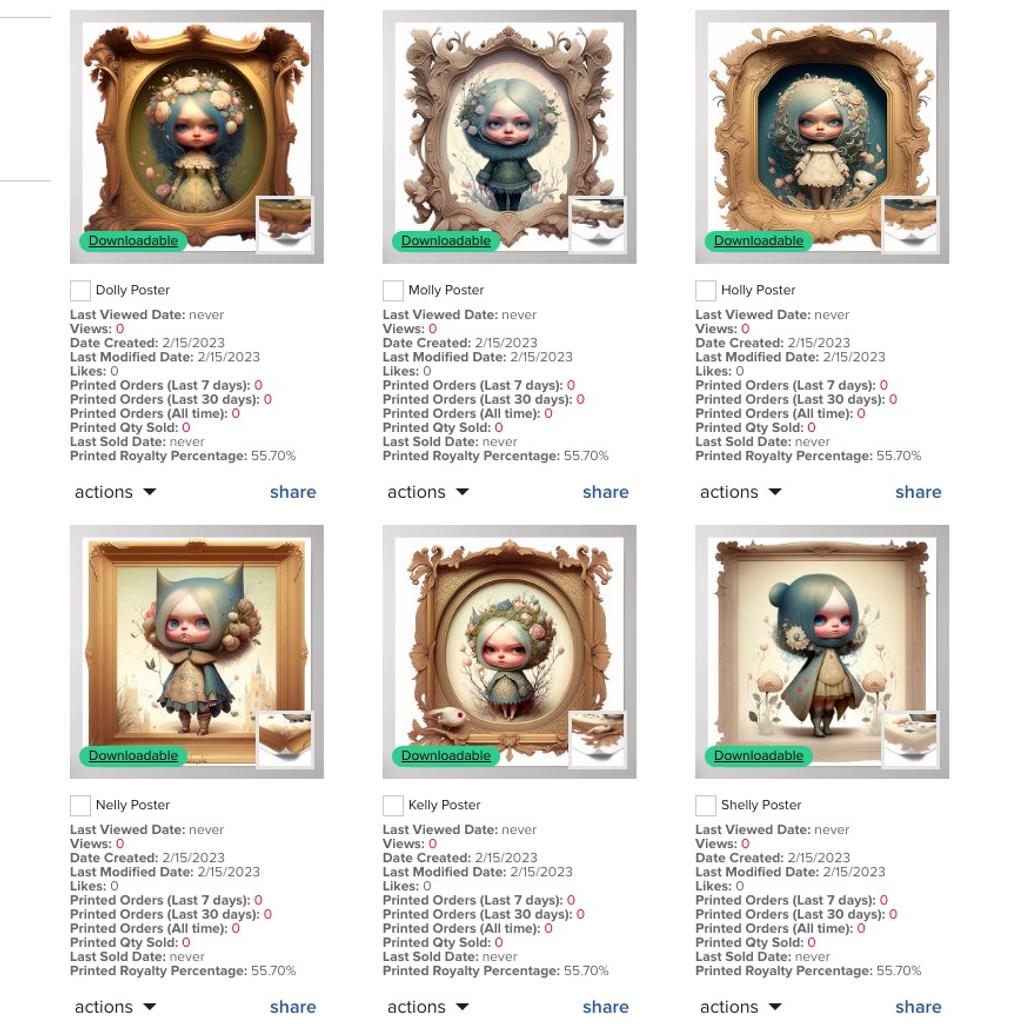
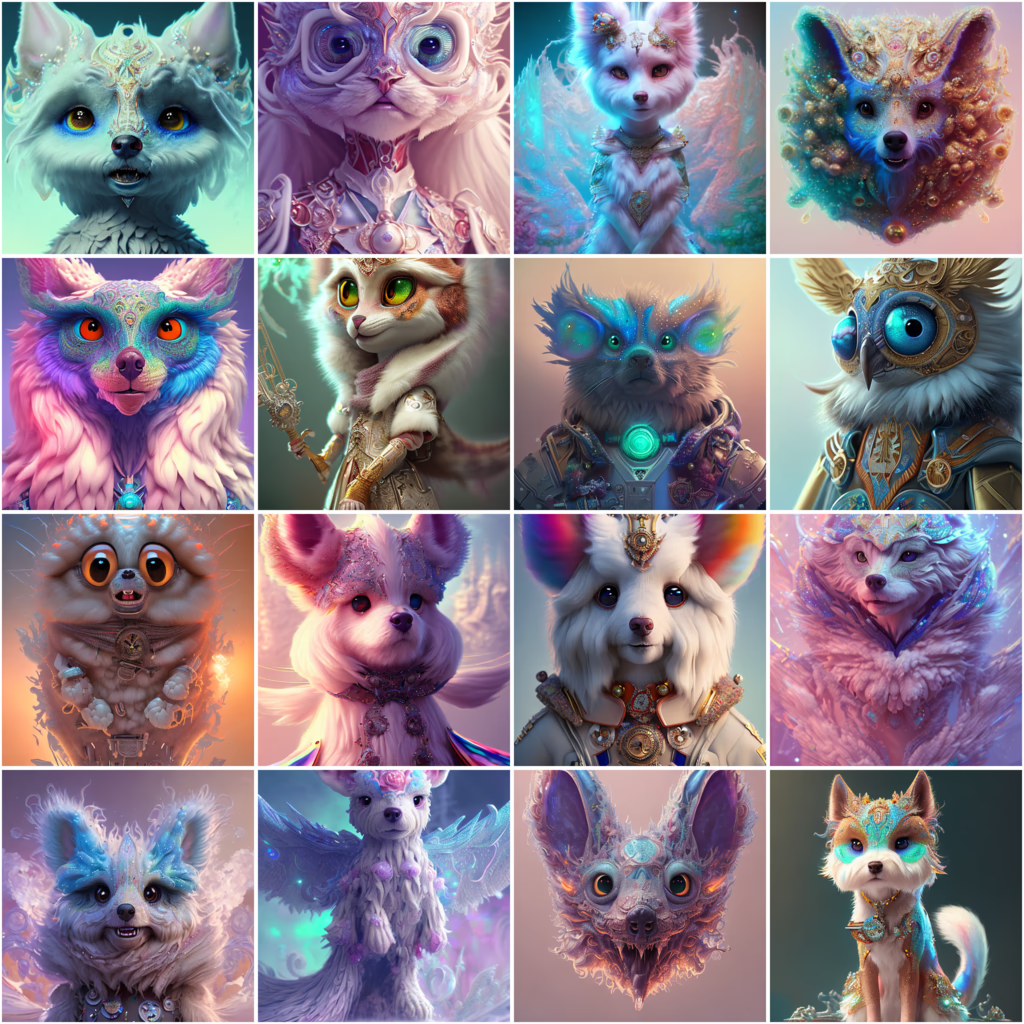
I use AI-generated chibis in a test store—streamlining image editing with templates, adding frames and poems, boosting sales through social‑media marketing, and outlining plans…
The post argues that conventional schools often fail to truly teach programming, leaving students “tricked out” of practical skills; it proposes self‑directed learning using…
The post describes an artist’s experiment in generating a set of four AI‑created superhero characters—Bula, Lola, Lulu, and Kiki—each with distinct powers linked to anger,…
The post celebrates the cheerful nature of humanity and encourages readers to immerse themselves in books as a path to wisdom and personal growth. It begins with an optimistic…
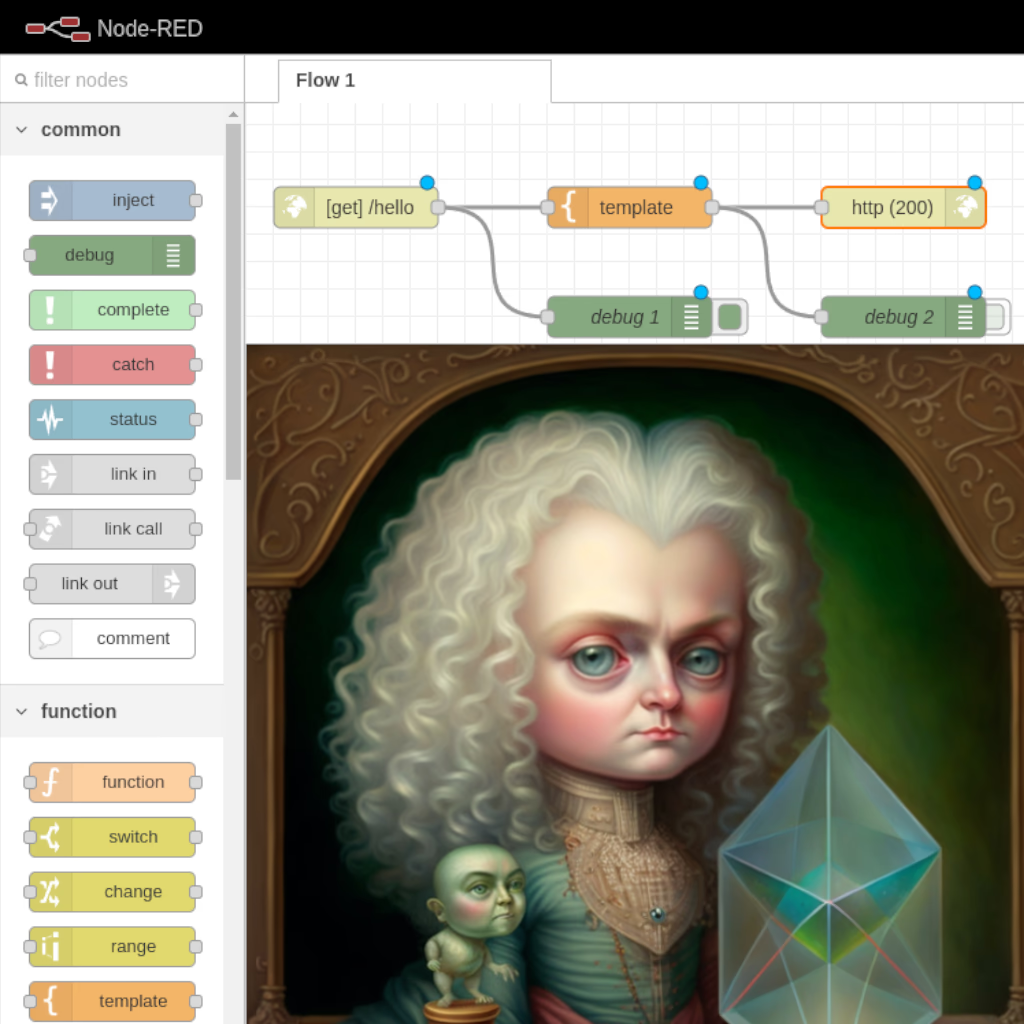
The post explains how AI-generated artwork can be turned into a scalable business model: by using AI to create small programs and functional visual programming interfaces,…
The post argues that conventional schools are often ineffective and can mislead learners; true learning comes from self‑education in programming, music, art, and other creative…
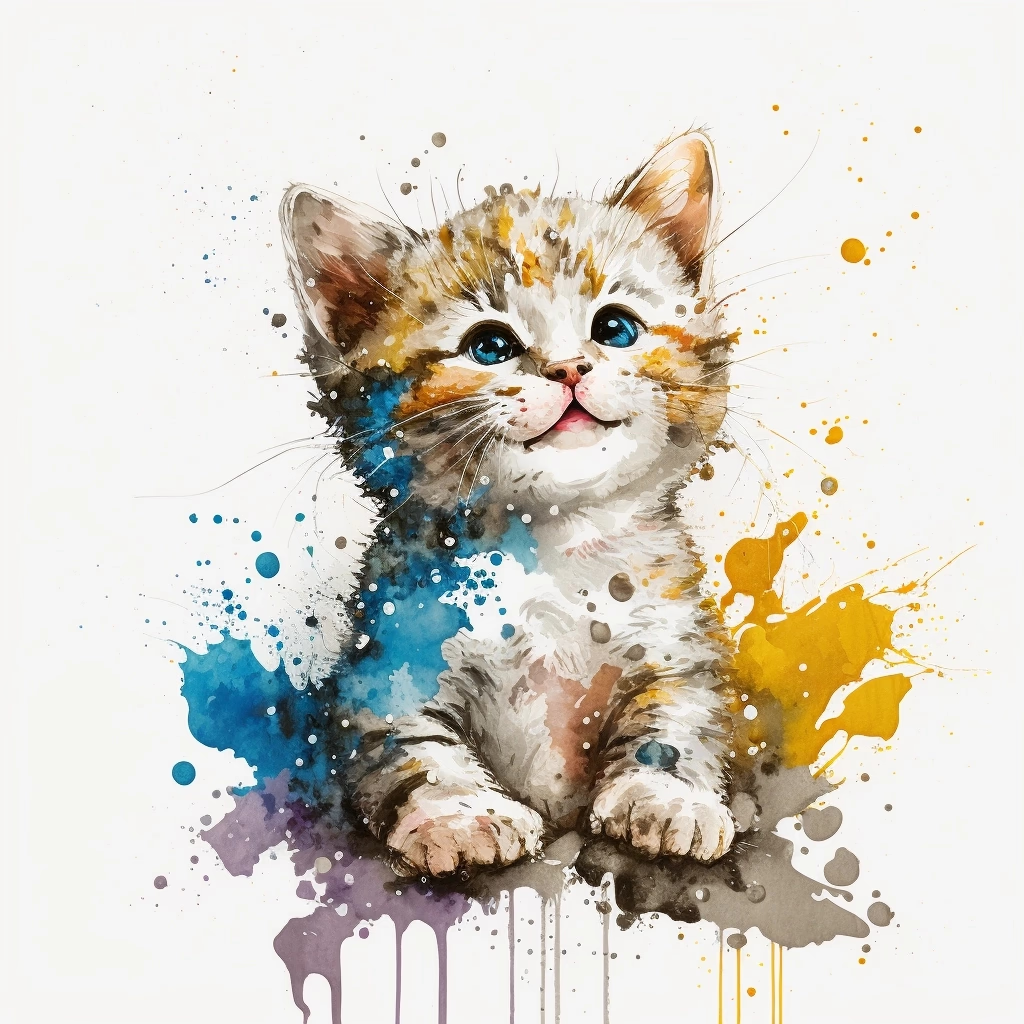
Using Zazzle as a storefront, I experimented with Midjourney‑generated images—simple to upload with just a username and password—and created items like watercolor‑kitten…
Listening to books—preferably in their narrated form—is the most effective way to absorb their ideas, just as sheet music must be played to be understood; by using library…
The post argues that the world urgently needs true learning—great beings, heroes, philosophers, effective schools, and an end to poverty—and that uneducated leaders and…
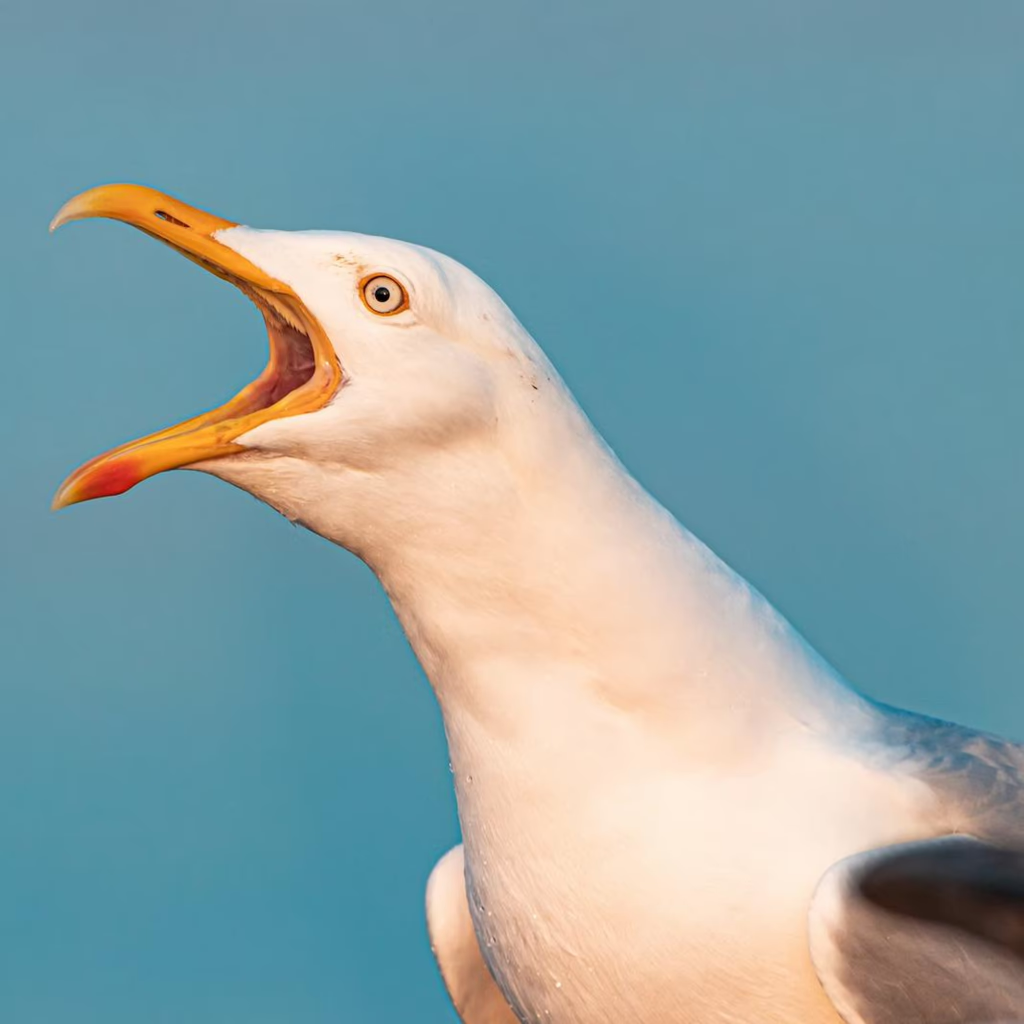
The white‑spotted seagull is celebrated as a remarkable bird, admired for its intelligence, striking appearance, and impressive song that seems to herald the arrival of summer.…
The author celebrates small moments and personal growth, urging readers to balance a busy life with intentional leisure: read many books, travel often, enjoy the outdoors, care…
I camped on a sandy dune in Nordhouse during a massive thunderstorm, feeling the power of lightning and the rhythm of nature as I listened to “We Are All Connected” while lying…
The author portrays the groundhog as a mischievous creature that pretends to be cute while secretly hating humans and orchestrating winter weather from its burrow. They claim he…
The post argues that endurance builds gradually through consistent movement—whether jogging, walking long distances, dancing, or lifting dumbbells—and that this incremental…
The post argues that schools enforce blind obedience and rely on state tests and GPA threats to stay profitable, while real learning is already innate. It claims schools make…
Humanity’s beauty lies amid its chaos, where mistakes and isolated symptom‑treatments spawn feedback loops that drive entire industries; yet no single remedy exists because…
The post argues that growing up in rich cultural environments nurtures minds, while poverty and lack of education confuse and twist children’s development; yet simple tools—such…
The author encourages listeners to create their own music and visual art by sampling simple beats, projecting images onto walls, and painting large murals—particularly in…
Art generators are still rudimentary, often producing odd errors such as extra ears or misplaced irises, yet they offer young artists a fast way to generate draft images that can…
The post is a reflective guide for artists who want to blend creative passion with practical sales strategies, especially around holidays and seasonal themes. It encourages…
The author reflects on humanity’s rapid growth—from a single billion people in 1804 to ten billion within thirty years—and the need for continued progress. He argues that true…
The post argues that humanity is trapped by its own blind‑spots and evolutionary habits—kids who test “hippos or snakes” survive, but we still fail to cure our “genetic blight”…
The post explains how to create, showcase, and sell generative AI art—quickly producing pieces, building a website gallery, listing them on print‑on‑demand platforms, framing…
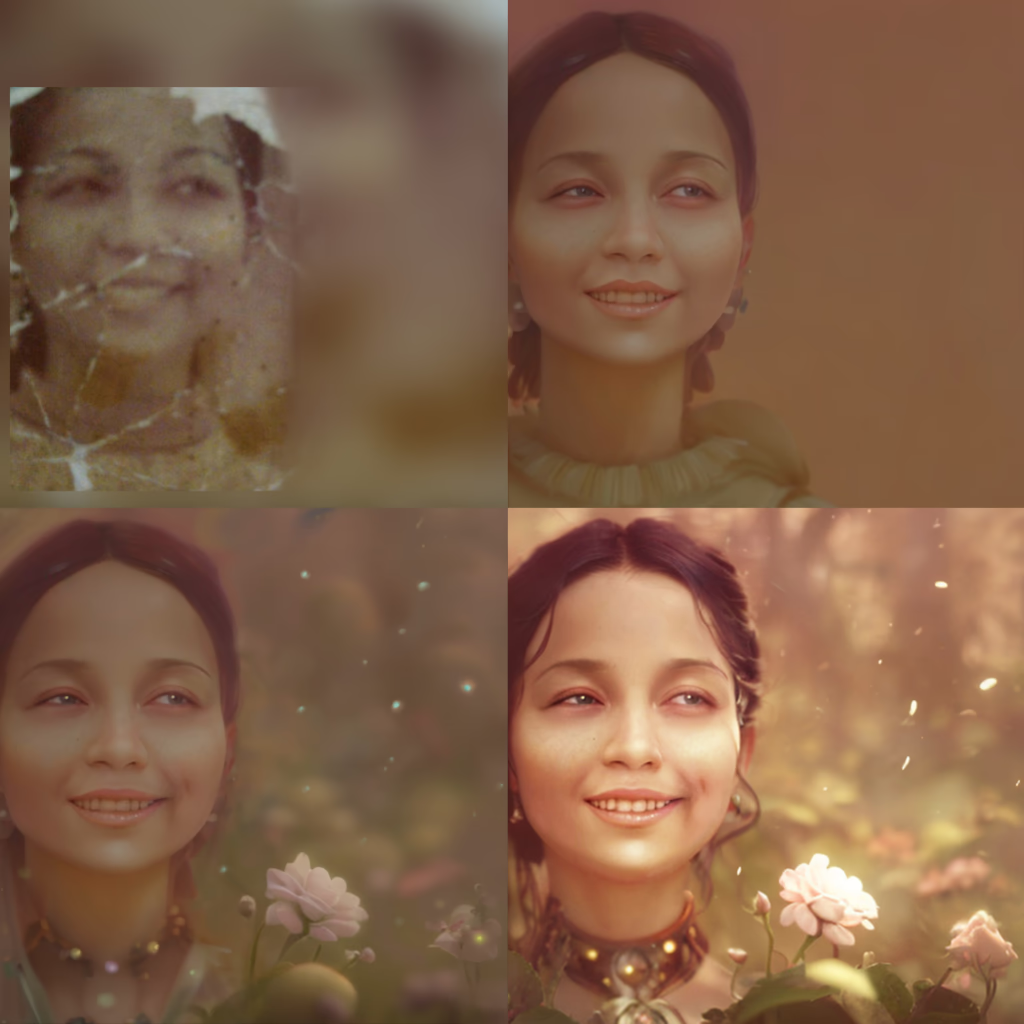
The post recounts the author’s experience tackling a photo‑restoration project, noting how quickly they became overwhelmed by new tools and techniques. They explain that although…
I enrolled in college with the goal of improving my programming skills, but was forced into a “balanced education” curriculum that felt pointless and restrictive; the registrar,…
The post is a whimsical, self‑referential poem that frames the urge to write as a three‑stage journey—bright teenage days, glorious middle age, and an epic golden age—and reminds…
The post enthusiastically praises Stable Diffusion as a powerful creative tool that can transform simple doodles into sophisticated artwork, encouraging parents to equip their…
I uploaded 16 kitten images as finished $6 refrigerator magnets, showing that simple, ready‑made digital art can be sold without maintenance—much like T‑shirt or curtain…
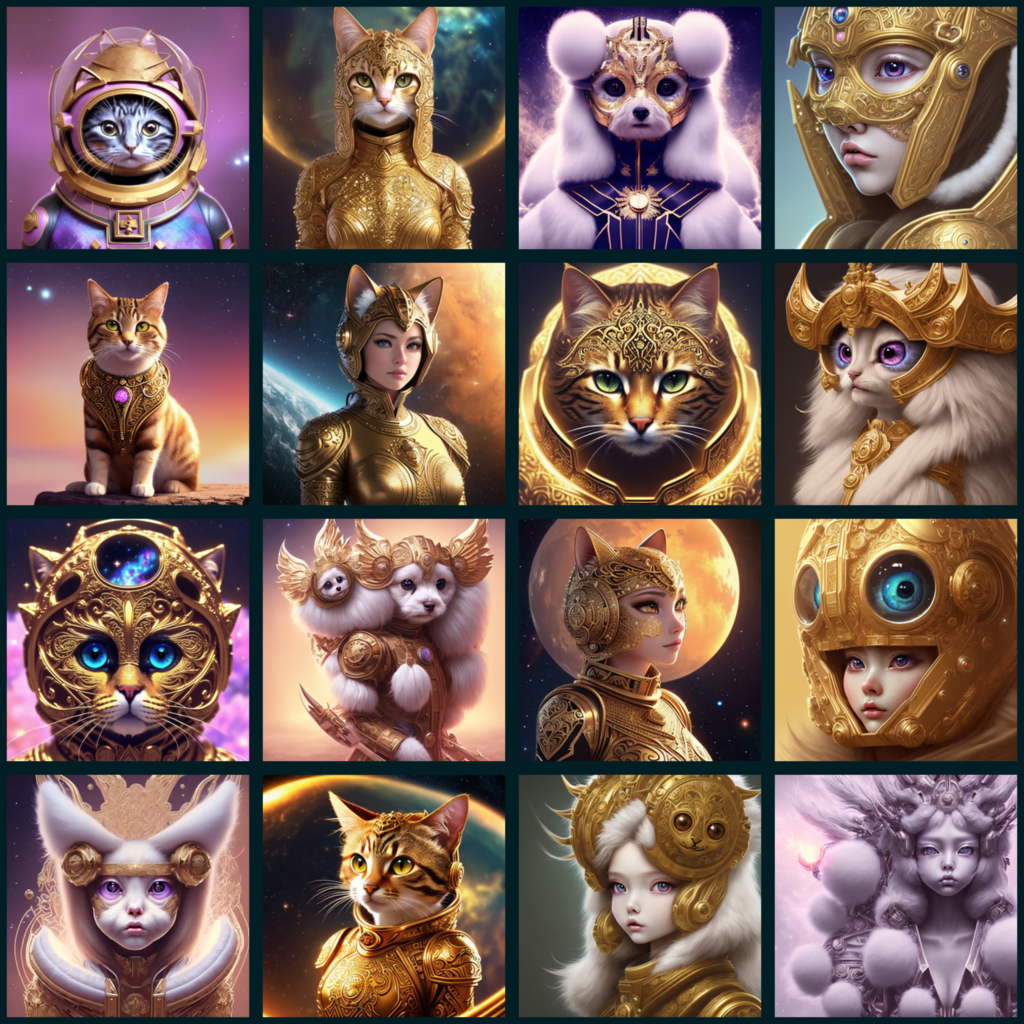
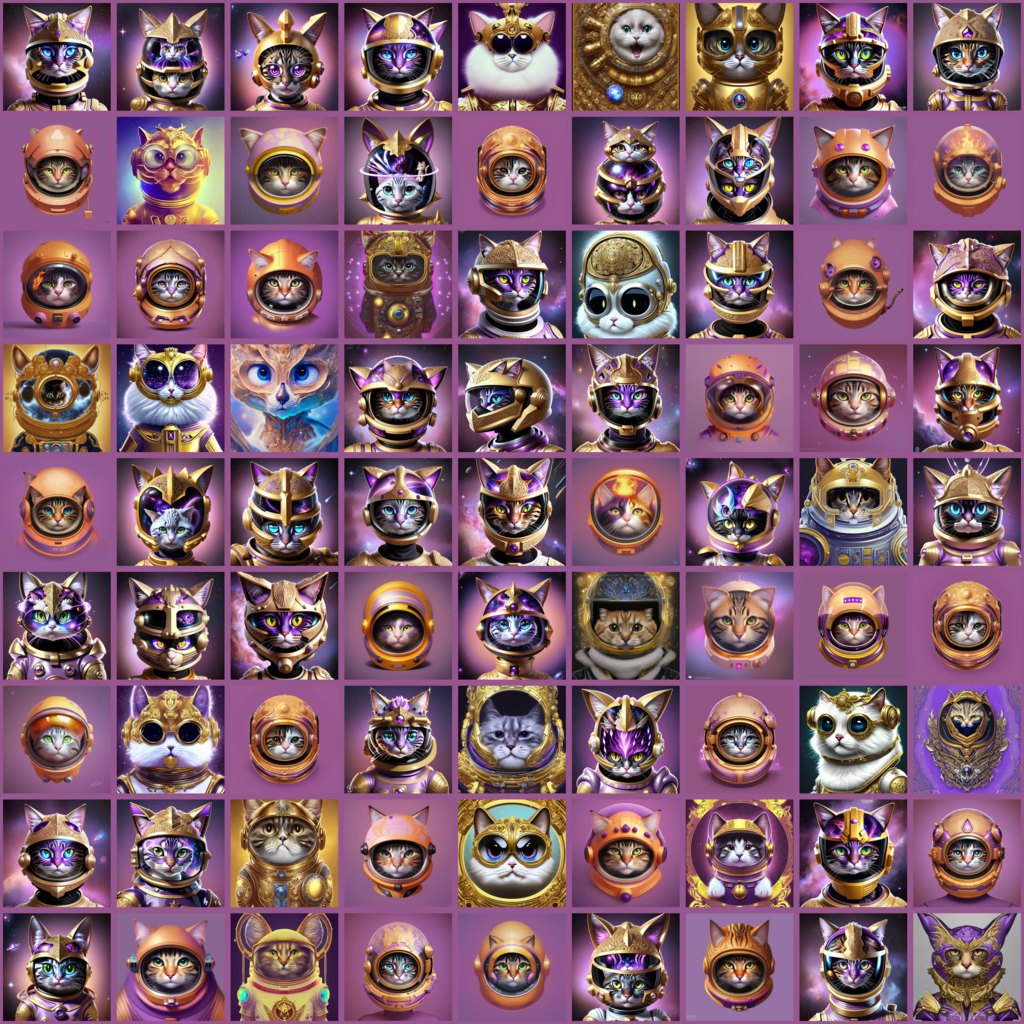
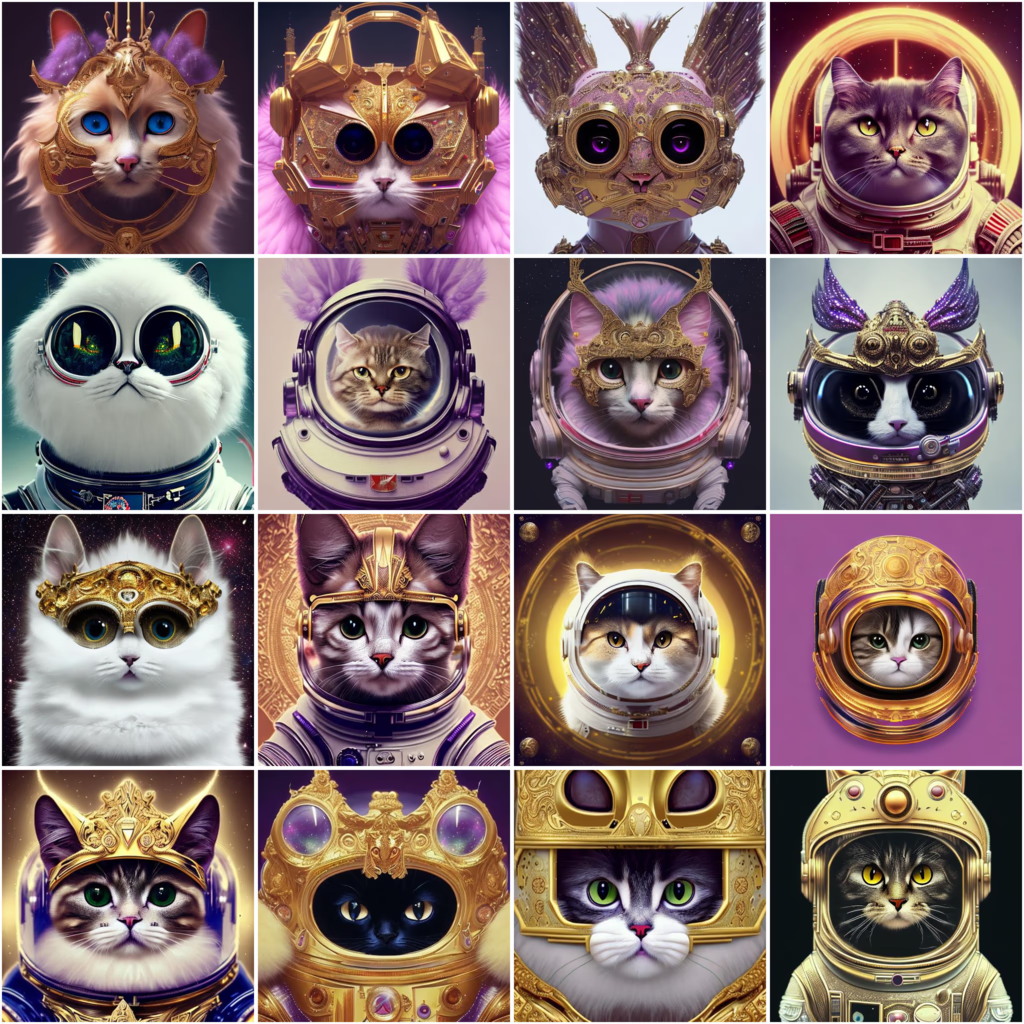
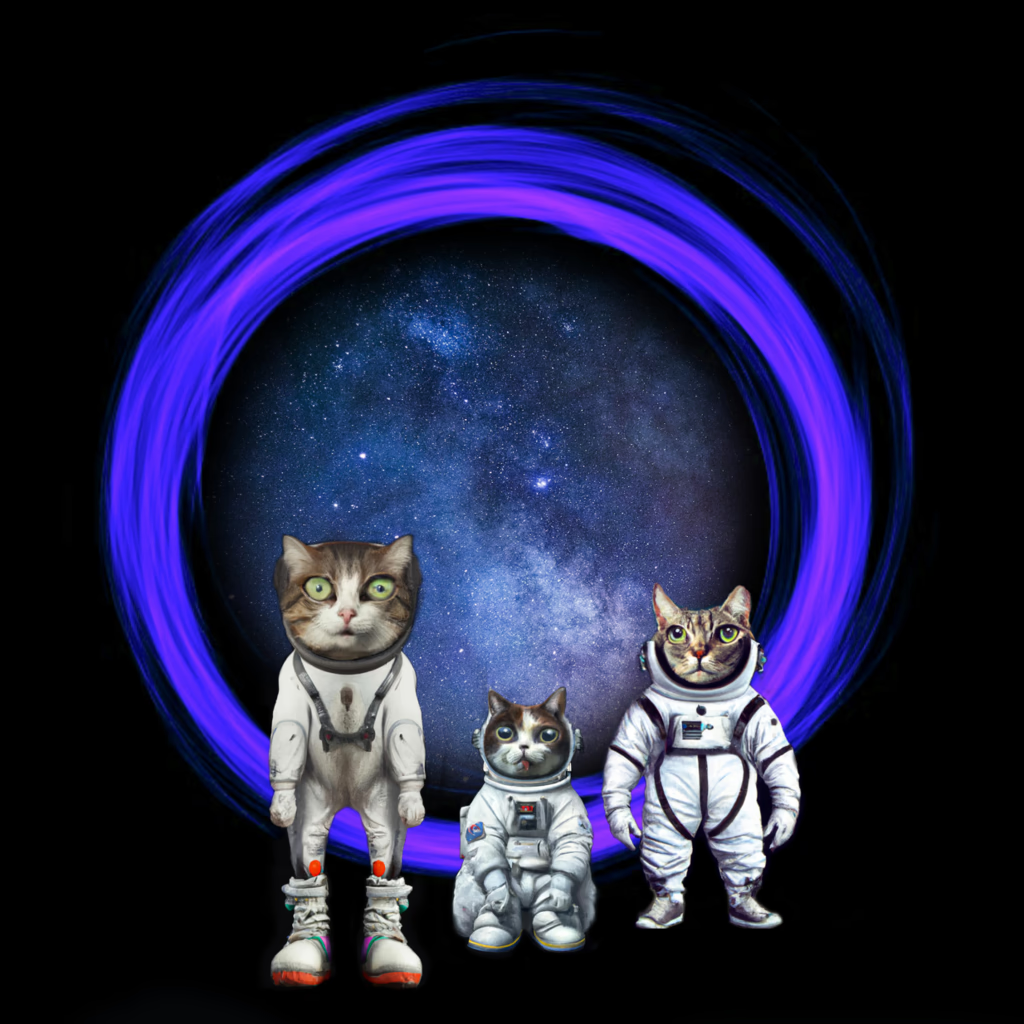
Use AI to generate unique character pieces (e.g., cat heads in space helmets), assemble them into layered scenes with free tools like Krita, and print or display the resulting…
I reflect on creating Pop Surrealist, hyper‑realistic art using Stable Diffusion and manual editing, asserting that true art arises when authentic effort, personal style, and…
The poem laments that humanity feels stuck and its future hinges on individual action: we must untie the “knot” of un‑education, poverty, homelessness, and starvation to free our…
The post argues that generative AI has fundamentally reshaped artistic production: by ingesting any input—from text or noise to blurry photos—these models can generate polished…
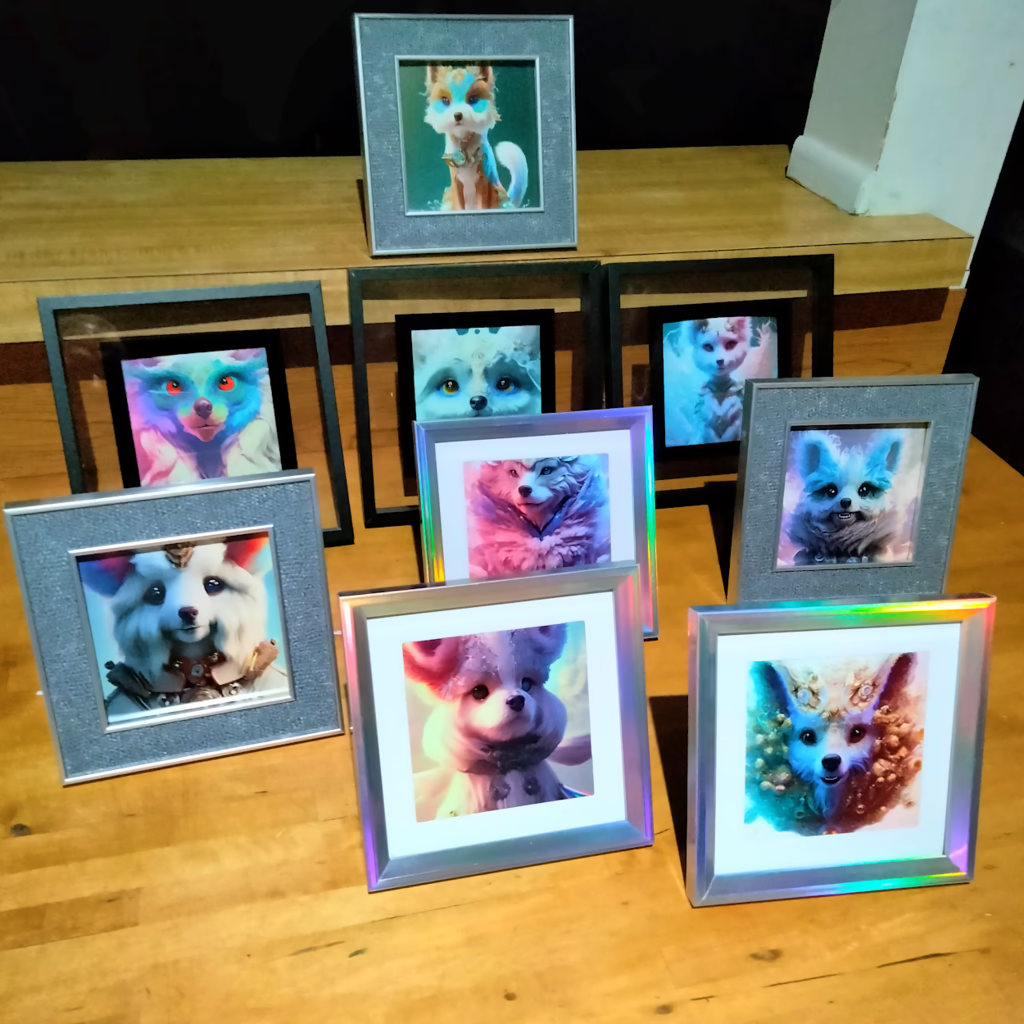
Using 4×4 frames for his 512‑pixel AI‑generated images, the author experimented with printing, frame selection, and post‑processing in Krita, finding that while the size works…
The author argues that while artificial‑intelligence generators will keep getting better, true art still requires a human heart—an honest, heartfelt gift rather than a…
The post weaves together three images: travel as a literal and figurative journey that connects us to the stars that forged our molecules and gold; books as living stories that…
The post is a series of short verses that urge readers to adopt an optimistic mindset, take initiative in life, and persistently pursue knowledge and art. It encourages using…
This reflective post argues that modern education and social conformity often lead people to chase grades and jobs at the expense of true learning and individuality. It suggests…
The post celebrates the human spirit as a star‑born creature that shares common features with all life and urges us to grow educated and rich in mind rather than material wealth.…
A poetic tribute to humanity that praises its magnificence while urging it to learn, reinvent itself, unite under a new sun, and use infinite wisdom to overcome poverty, fake…
A playful poem extolling a fierce, nighttime‑hunting cat’s strength, agility, and endearing habits.
The post explains how to become an artist by starting with simple tools and techniques—projecting images onto a wall or canvas with a mini projector, tracing them with a pen and…
The post is a reflective narrative that traces the author’s evolving relationship with art—from early childhood adventures seen through a keyhole to later creative projects such…
This post offers a playful guide to keeping small animals—cats, squirrels, mice, and even rats—in shape by turning everyday moments into workouts. It recommends giving each pet a…
The post argues that cultures must advance by eliminating poverty, improving education and human rights, turning prisons into therapeutic schools, and treating borders as fluid…
The author reflects on Wittgenstein’s playful claim that if a lion could speak we would still fail to understand it, using this as an illustration of how alien concepts can be…
The post opens with the author’s observation that some people use inflated vocabulary to dismiss others without real consideration, illustrated by an anecdote from a small news…
My post describes a personal encounter with a harsh, pretentious teacher and the artificial feel of a school that lacks real learning, then argues that true education should be a…
The author argues that a recent article claiming four myths about education—IQ, effective schooling, genetics, and culture‑poverty—has misinterpreted how learning works; they…
The post recounts the author’s early fascination with pixels and step‑by‑step commands for computers, which later evolved into building web pages and interactive windows that…
The post chronicles a week of creative tinkering in which the author blends three main strands—3D printing, digital art, and music production—to explore new tools and skills.…
I reflect on the everyday practice of writing poems and creating art, stressing that true work—whether crafted manually or produced by neural networks—must be authentic,…
The author reflects on the evolving ad industry and proposes that we can regain control over our online experience by using simple, self‑hosted tools—RSS‑like feeds and web…
The author reflects on a recent Christmas when they gave bags of peanuts to nearby squirrels—only to see them quickly burying and retrieving their treasures—and on this year’s…
I write small holiday scripts with Greasemonkey (or Tampermonkey) to extend browsers, turning UserScripts into a bridge between my web‑based OS and external APIs; after…
Each time we start a new program or lesson, we encounter an endless array of possibilities; the post celebrates this infinite creative space, noting that while industry patterns…
The author reflects on humanity’s origins as violent apes, links criminality to social neglect, criticizes political greed and war-making, and proposes self‑education schools to…
The post argues that the key to becoming a successful artist is learning to trace your first drawings—whether by hand or using tools like Krita’s reference overlay or a wall…
The post encourages us to actively seek out non‑fiction books as a source of growth, noting that these works are meant to be heard and felt, not merely read, and that study…
The post argues that true genius is an inner faculty that cannot be measured by tests, but must be cultivated through reflection and experience; it is often suppressed by…
Before humanity’s first moon landing, we supposedly brought back an angry raccoon; geese prefer to walk across streets hoping for treats, while skunks unknowingly spray perfume…
The post argues that humanity is one family whose unity is fractured by poverty, which in turn hinders true education; without this learning we fail to agree on anything,…
The author argues that a successful workout hinges on the right music: a bass‑heavy, rhythmically tight track that pulls you into a “warrior trance,” allowing each lift to sync…
The post proposes a new way to build web‑based virtual desktops by treating full‑screen windows as independent “desktop” environments, rather than just document layouts. It…
I was navigating an industrial area when I made a right turn that seemed perfect to me as a programmer, yet the car behind followed too quickly and also turned in haste. The…
The post is an informal reflection on speculative thinking in science and culture, beginning with a light‑hearted example from Seth Shostak and moving through anecdotes of radio…
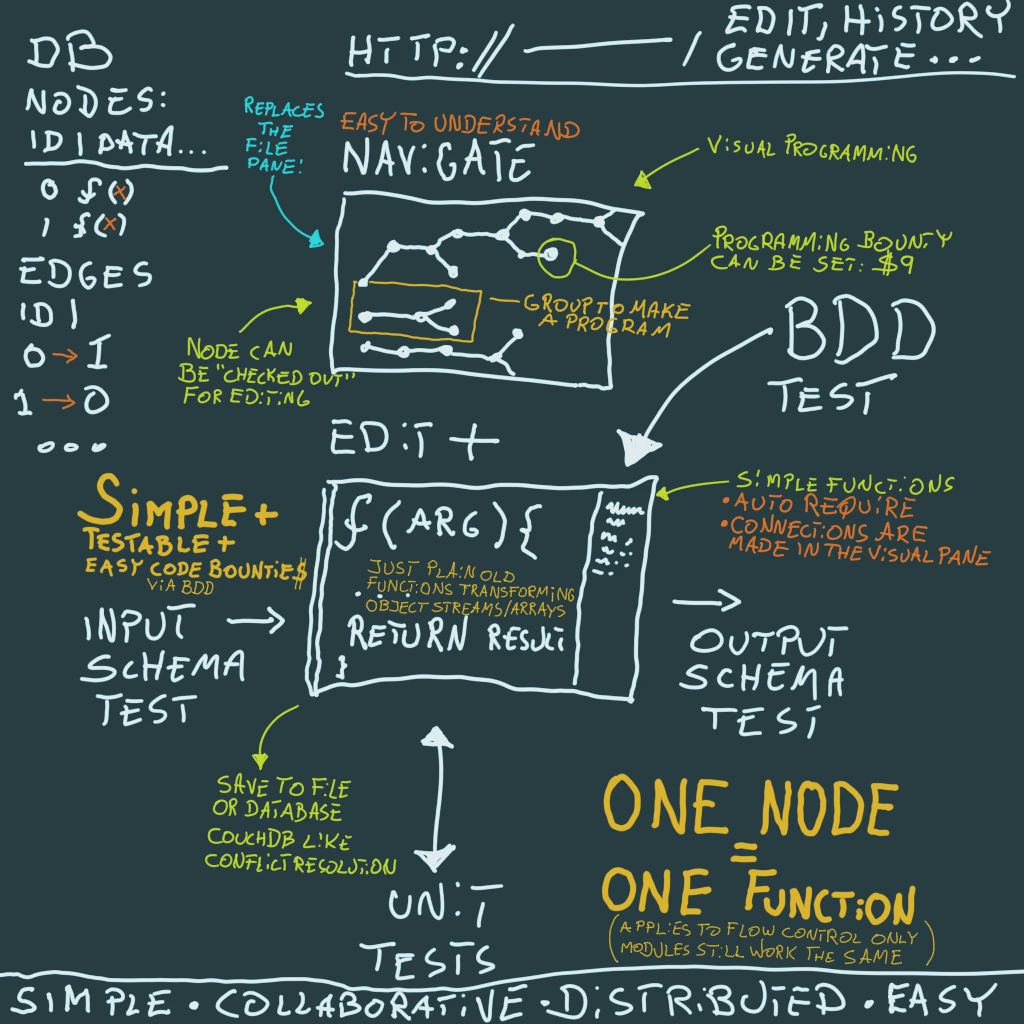
After reflecting on his school experiences and self‑education mishaps, the author introduces **Oumuamua**, a lightweight in‑memory database inspired by CouchDB and EventSourcing…
Ineffective schooling—characterized by uninspired teachers and fragmented lessons—has left many learners with little real knowledge; the text argues that true learning must come…
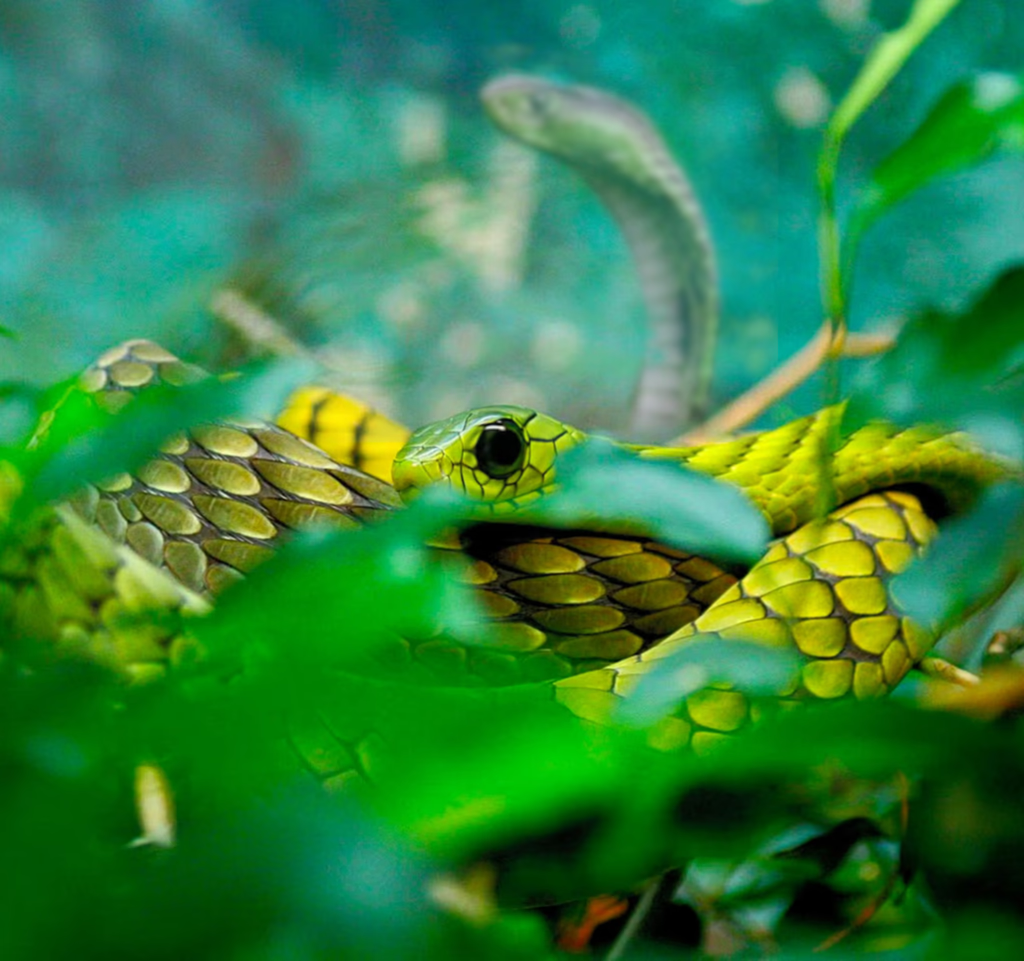
In this post the writer likens software bugs to “mambas”—snakes that always strike in pairs or more—and explains how a seemingly small fix can trigger a cascade of new errors. He…
The post argues that in many physical activities—from dancing and martial arts to shooting, fishing, key‑inserting, running, bodybuilding, poetry recitation, and even…
The post explains how weight‑lifting can be viewed as a structured version of everyday activities such as walking or jogging for long distances, noting that astronauts rebuild…
The post argues that knowledge far outweighs any standardized system: traditional teacher‑front‑of‑many‑students setups fail, grades motivate poorly, and tests become a fantasy…
The author argues that academic teachers often act more like charlatans than educators, trapped in a self‑perpetuating cycle of “fake” teaching and fabricated grades that serve…
The post proposes creating a simple web‑desktop UI that relies on drag‑and‑drop to manage windows, resize and pan the desktop; this pattern is presented as an easy way for…
The poem paints a whimsical picture of programming as a journey guided by three bird‑like companions: the rubber‑duck debugger Alice, who helps you spot bugs by talking through…
A poetic allegory of JavaScript programming begins by inviting the reader into the world of “spaghetti” code, where variables hold both strings and numbers just as useful as…
The post argues that programming is not only about writing code but also about being able to read and understand it in the future, so we should aim for simplicity. It contrasts…
The post outlines a minimal toolkit for building a web‑desktop interface: four core actions—dragging, resizing, focusing and desktop panning (moving all windows at once)—plus a…
Programming is about building and linking small components through simple algorithms, keeping code clear and avoiding spaghetti.
Use a narrated version of Bill Bryson’s “Short History of Nearly Everything” as the scaffold for your self‑education—listen to it instead of reading it. Choose your own path,…
The post celebrates the idea that each person is a self‑sufficient adventurer and creator, not merely a worker or poor soul; it suggests that poverty, hunger, and homelessness…
The post celebrates personal growth and self‑definition, urging the reader to continually rise above their own “common levels” and build a unique character through daily…
Programming becomes engaging when it’s taught with real projects, not just theory—side‑projects let you learn by doing, while working for others keeps your future in your own…
In this poetic essay the author argues that the secret to building large empires lies in keeping things “cute and tiny”—small, elegant algorithms and data structures such as…
The post argues that ending poverty for all people worldwide hinges on a universal income card, but this alone is insufficient without “real” schools that deliver tangible…
A self‑referential system—like the “WikiWiki” idea—lets a page edit itself by treating side menus, layout templates, and even server configuration as editable articles; with a…
The post argues that self‑editable applications—those built by dragging and dropping JavaScript actions without coding—offer a powerful way for developers to create…
In this whimsical poem, winter’s chill invites us to treat small, lucky creatures—whether playful squirrels or “mini kittens”—with warmth, food, and care; by scattering nuts and…
The author argues that we have only enough time to tackle the root causes of global problems—chiefly world poverty and a lack of real education—rather than merely treating their…
Philosophy—though misspelled—serves as a guiding force for human growth, cultivating authenticity, dignity, and noble character rather than mere obedience or convenience; it…
The post argues that growing up without exposure to wise philosophy books signals a cultural failure, noting how dictatorships burn them and modern societies neglect them. It…
The post celebrates continuous learning and creative growth: upgrading systems expands everything, and the more we know the more we grow and encompass a multitude of ideas. It…
The author argues that while there are countless ways to live, a few fundamental truths—such as those championed by thinkers like Rand, Sagan, Gell‑Mann, King Junior and…
Programming should be central to education because it teaches how to learn, making learning more efficient and meaningful; students can build useful projects instead of…
This post explains how combining CouchDB on the server, PouchDB in the browser, and Svelte’s store‑based data binding turns the tedious problem of UI synchronization into a…
The post argues that true learning comes from listening to narrated books instead of simply reading them, presenting a “simple formula” that involves the present self,…
The post outlines a simple yet scalable system architecture that lets each user own a tiny personal database—backed by Couchbase or CouchDB and synchronized via PouchDB on the…
Books hold humanity’s greatest thoughts and ideas, yet most of them remain unread; they are meant to be heard as music rather than merely perused in paper form. A library is like…
The post argues that modern teaching often fails to convey true learning, with teachers who are unprepared, overburdened, and sometimes deceptive, causing students to memorize…
Programming is a discipline that sharpens clear thinking, encourages humility, and rewards deliberate learning over convenience. It teaches us to avoid letting personal favorites…
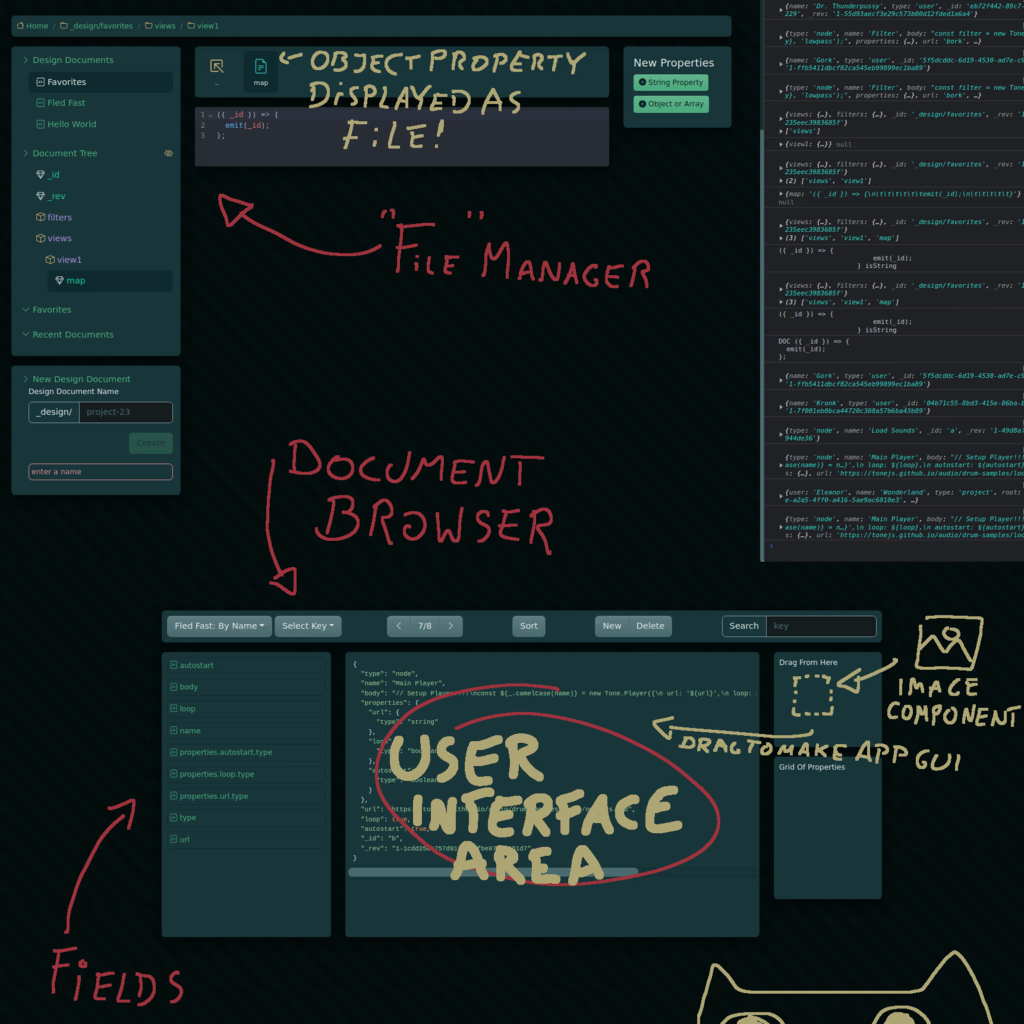
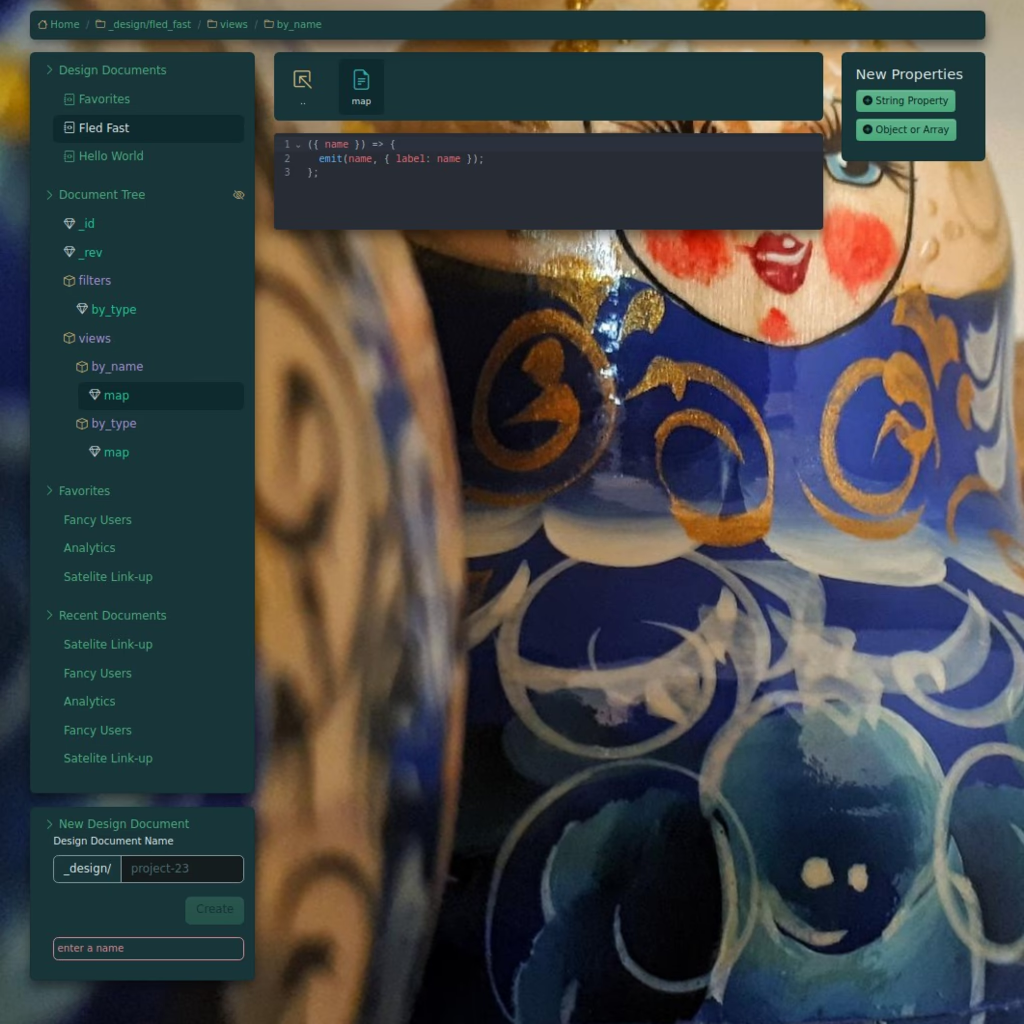
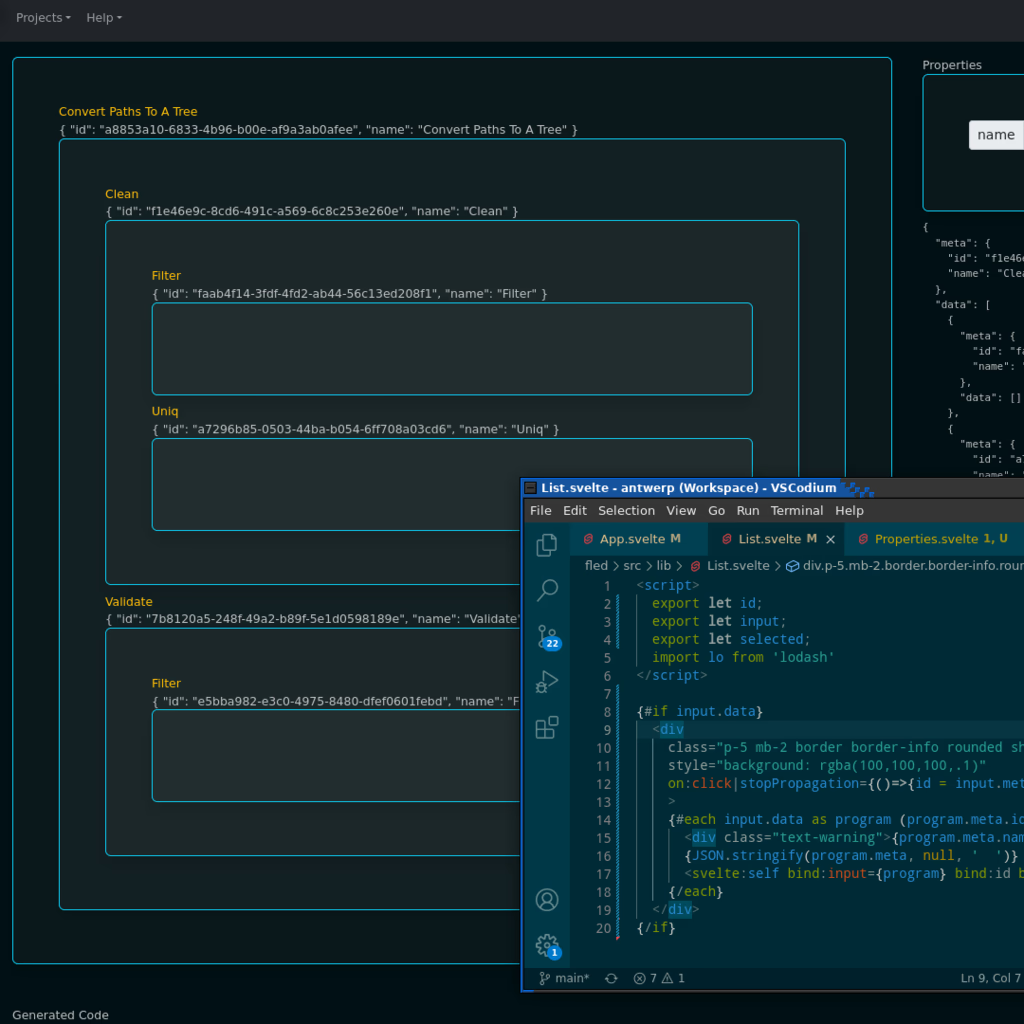
The post describes a creative way to embed a “file‑manager” style interface inside a phone or web application, using a tree‑like data structure built from simple node and edge…
The post introduces “potatoes” as a lightweight abstraction for CouchDB documents that makes it easier to keep data in sync across a networked application and the user interface.…
A state machine is a simple programming pattern that forces an application into well‑defined states, each represented by a verb (e.g., “driving,” “warning,” “stopping”). The post…
The author reflects on the
The author argues that applications become truly useful when they specialize into domain‑specific tools such as code editors or spreadsheet builders, rather than remaining…
Start by exploring several‑hour JavaScript courses, then dive into pixel‑based projects with p5.js or playful JavaScript games; from there you can move on to Svelte (a 2022…
The author reflects on the value of working for oneself, arguing that a paycheck job ages you and breeds boredom, while self‑education fuels wisdom and fulfillment. He encourages…
The post argues that modern education systems—shaped by religion, centralized schooling, and rigid borders—have stalled human progress and fueled conflict. It calls for a new,…
Self‑editable applications let end users build and tweak UI elements on the fly—adding, rearranging or deleting controls like username fields, passwords, buttons, drop‑downs and…
The author argues that our current educational system—especially at the middle and high‑school levels—is fundamentally flawed because it relies on standardized, compartmentalized…
The post argues that while machine‑learning is still an emerging technology, true AI will eventually be able to read, explain and improve its own code; it then explores the…
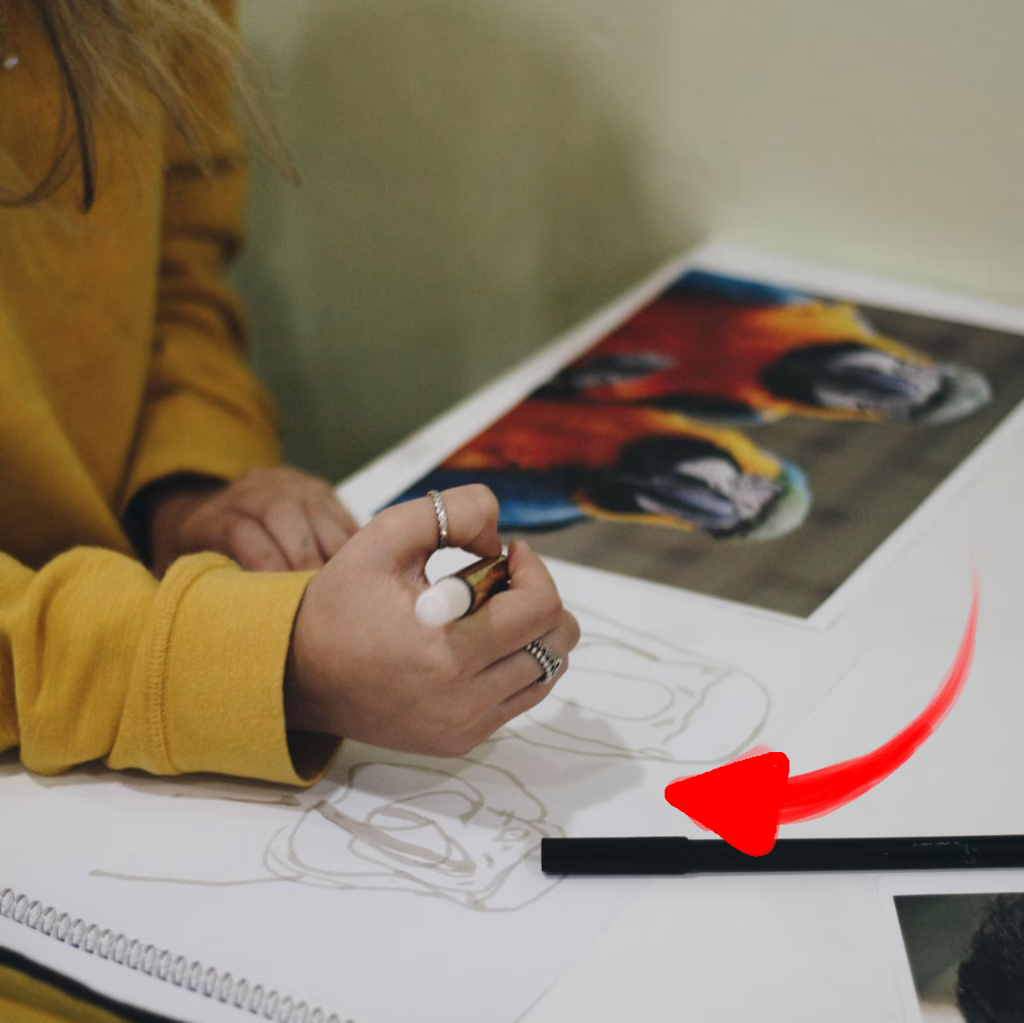
In this post the author argues that drawing with pencil is essential for learning programming, describing how visual sketches help understand and remember concepts. He explains…
In the post, the author outlines a strategy for creating an efficient, cross‑platform application that runs on a Raspberry Pi and can be hosted in a colocation facility,…
The post argues that an EventEmitter is a fundamental programming concept—much like classes or try/catch—and explains why it’s especially valuable in modern frameworks such as…
In late September 2022, I began an experiment by attaching a fluffy tail to myself to explore whether humans would respond differently to a full prosthetic tail—an inquiry I…
The post argues that, while high‑quality studio samples and perfectly synthesized sounds sound nice on paper, the real magic of music comes from complex, noisy, and surprising…
To become a programmer you need self‑study, patience, and a solid environment: start with a free Debian GNU/Linux system on inexpensive hardware such as an 8 GB Raspberry Pi 4;…
The post uses an operating‑system metaphor to argue that human minds are dynamic, evolving machines whose education can be upgraded much like software updates. It claims that…
Research shows that having a tail—whether literal or metaphorical—offers practical benefits: it helps distribute weight, supports the back, and can even enhance intelligence. The…
The post is an introspective ode to becoming a “great being” through the synthesis of art, philosophy, and personal experience: it urges the reader to cultivate poetry, music,…
I’ve been thinking about writing a book since high school, but my idea of what a book is has evolved into an audio‑book project that lasts for hundreds of hours—each 10‑minute…
The post paints a picture of today’s programming landscape—first‑hand tools feel clunky, especially on smartphones where you’re stuck with browsers and ad‑laden apps, yet…
Stepping into Philo Sophia—love of wisdom—reveals a reversal: great thinkers abandon gods and kings, rising from the dark corners of history and finding their power in books…
The post argues that for modern web development one should pick popular, actively maintained open‑source tools—specifically Bootstrap, Svelte, and PouchDB (with its CouchDB…
The post reflects on how teachers often fail to connect textbook knowledge with practical application—using examples such as projecting onto a canvas or teaching “programming a…
For his part of adulthood, he suggests taking on a business venture to experience startup life and investor dynamics, while encouraging readers to reflect on their own educated…
The post reflects on how people begin as “warriors” but need to upgrade their worldview, recognizing that many seemingly good ideas can be easily distorted and therefore are…
In this essay the author argues that “being an intellectual” is not a fixed identity but a developmental phase—much like a child’s babbling—that gradually evolves through…
Local HTTP servers are the ideal way to ship serious UI applications: a browser connects to a local port, allowing remote access, sharing, cross‑connection and portability (e.g.,…
The post reflects on the beauty of small “strange” programs—those whose lines of code relative to their usefulness reveal an elegant simplicity reminiscent of Unix’s “do one…
The post celebrates how adventure stories fuel our growth, imagination, and inner “warrior” spirit, and it argues that culture is never fixed but must evolve continuously to keep…
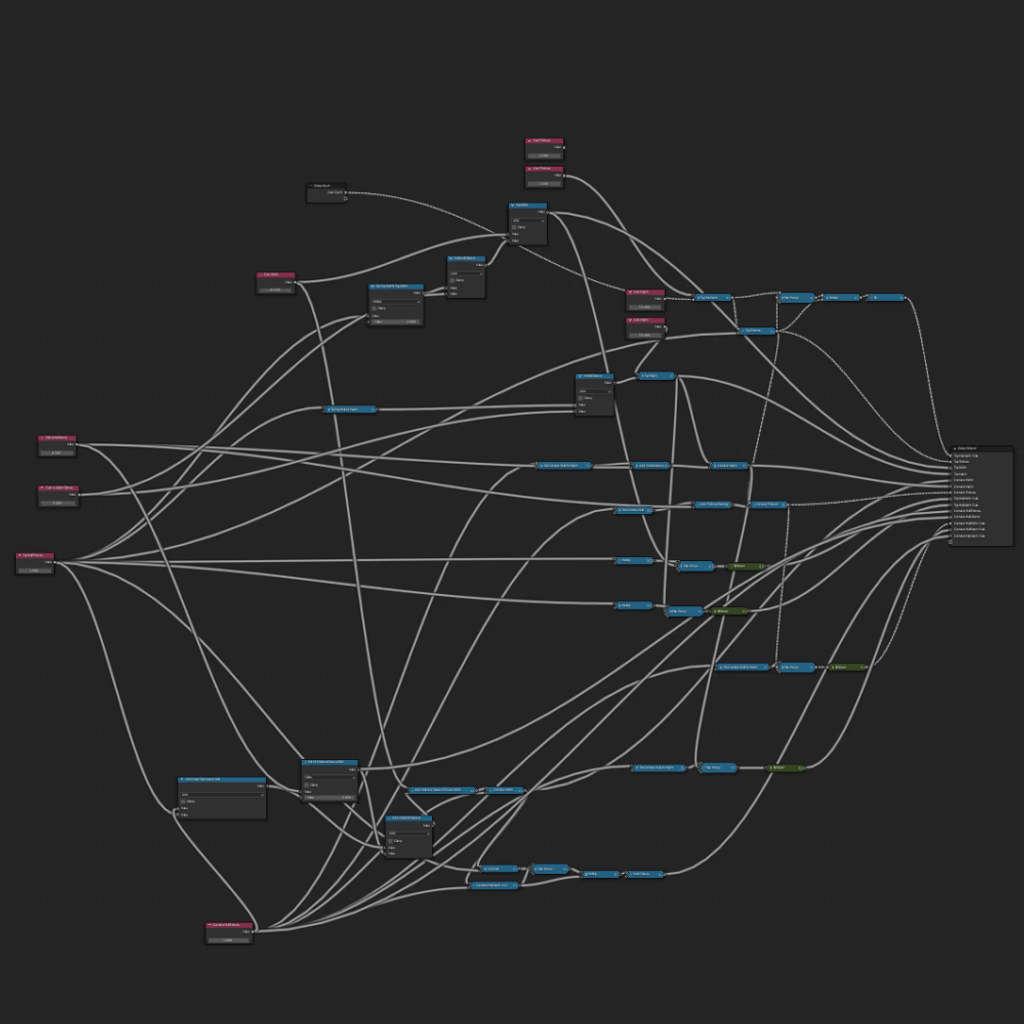
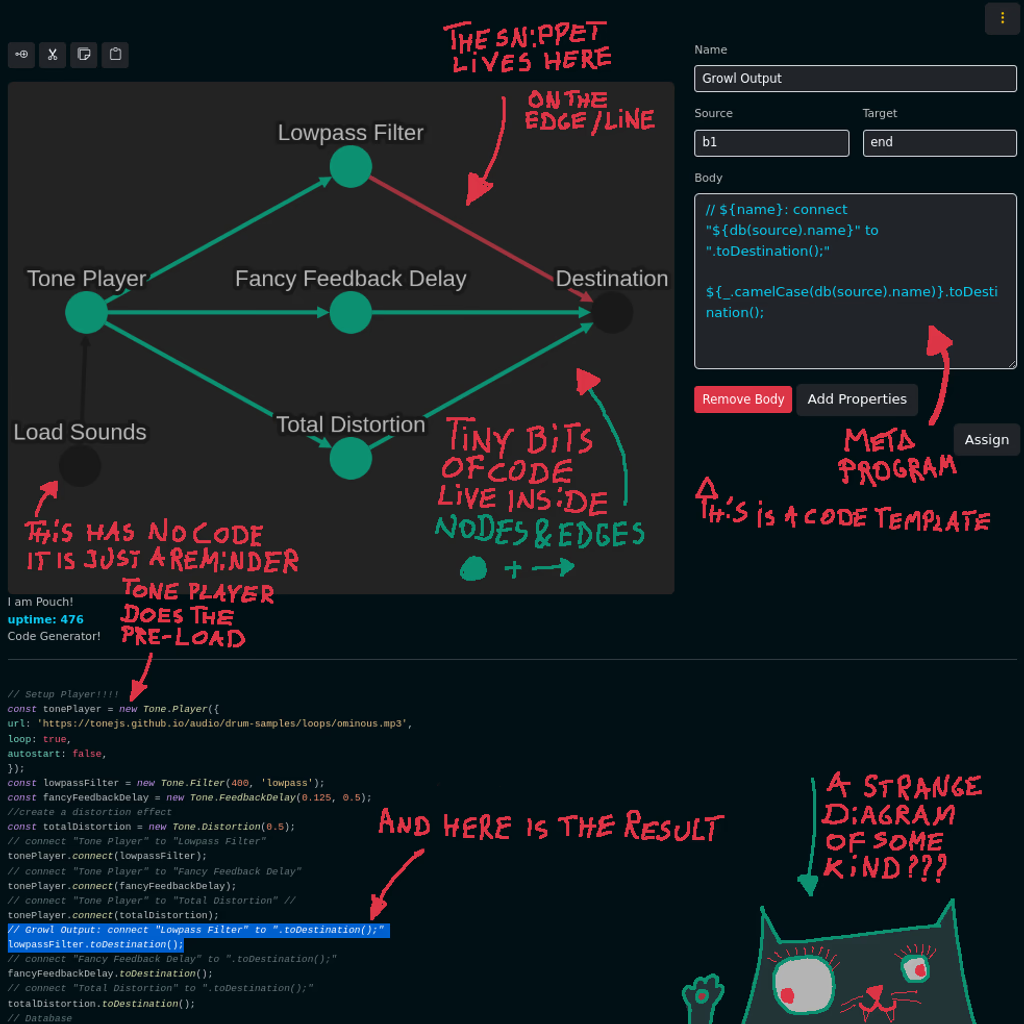
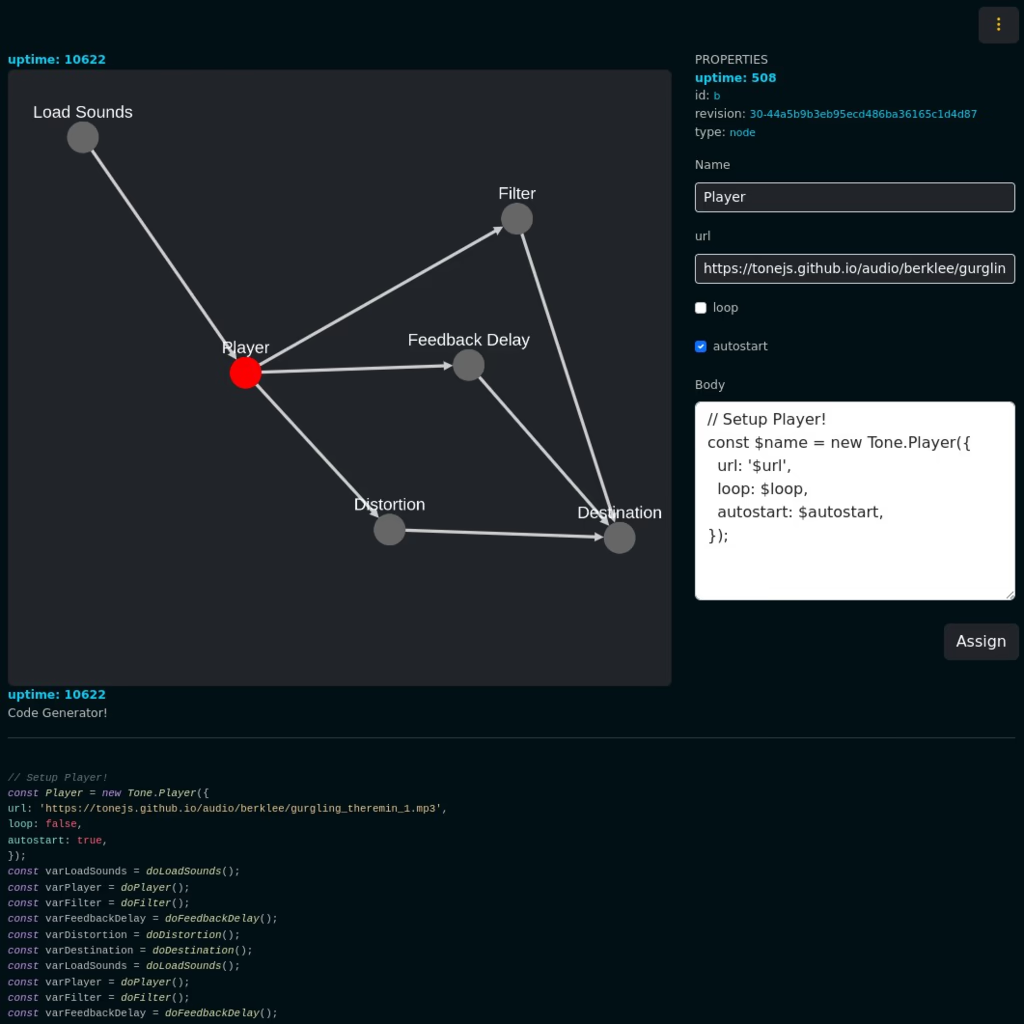
Visual programming turns a simple list of eight questions into a network of interconnected boxes and lines: each question is first placed in a “list” box, then passed through an…
The post encourages readers to remember their inner warriors and reclaim that spirit by creating and continuously wearing a personalized “superhero” outfit—an imaginative costume…
The post proposes creating a “world school” that will operate with anti‑corruption mechanisms—such as graduate voting and self‑paced, game‑based learning instead of grades—to…
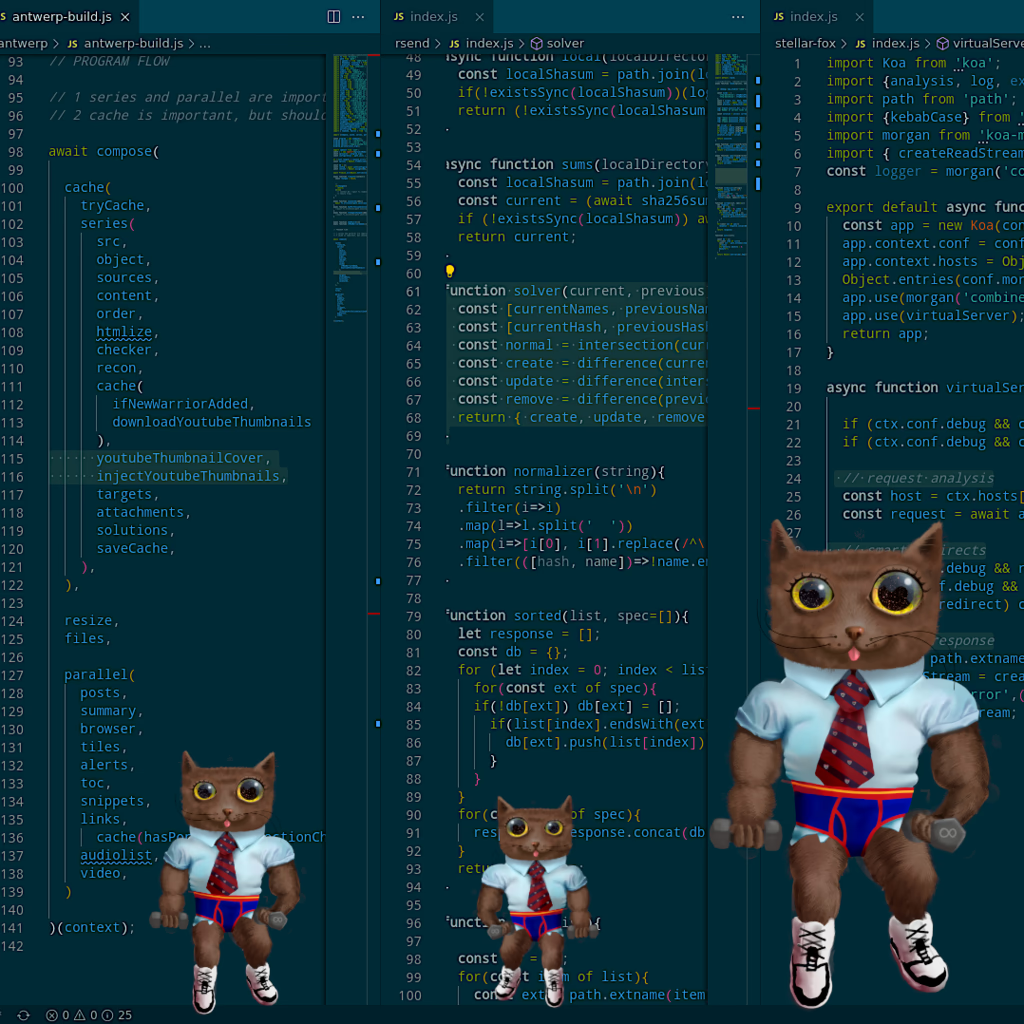
I built three custom tools—antwerp, stellar‑fox, and rsend—to get my new website up and running: antwerp is a static site generator that turns plain text files into HTML;…
A passionate programmer describes how his life revolves around inventing small programs—timers, calculators, 3‑D gadgets—and doing it for fun, not merely for a paycheck. He…
The author argues that subjects are fascinating yet poorly taught by teachers, and proposes learning programming through p5.js and related tutorials to automate math; he cites…
The post argues that true knowledge and wisdom—obtained through education—are the keys to uniting cultures, raising social classes, and ending war, poverty, and inequality. It…
I recently uploaded a 5‑gigabyte archive that already contained about 4.5 GB of data; the disk ran out of space, so I canceled and recreated the hosting account, losing my coupon…
I spent an afternoon writing a tiny HTTP server—just 25 lines of code plus a handful of reusable functions—that can route requests for multiple domains. The result is a concise…
The post describes how to turn a workout into an energetic “battle” by pairing the right gear—over‑the‑ear headphones and a TF‑card for music—and carefully chosen tracks that…
Adding more “brain” or formal schooling doesn’t make us smarter—true cognition comes from lived experience and memory, as the post illustrates with reflections on Socrates and…
Narrated books deliver wisdom more effectively than simply reading printed pages because the author’s voice adds nuance and clarity to the ideas, turning written text into a…
Jane Loevinger's stages of ego development describe people who continually refine themselves by recognizing and correcting their shortcomings. The post celebrates those who value…
The post outlines a gradual, all‑day workout plan that starts with light walking‑dance movements and gradually adds dumbbells (increasing by about 2½ lb per hand), stair climbs,…
In this post the author recommends that fitness trainers equip clients with inexpensive LCD interval timers or phone apps that beep or vibrate to signal work and rest periods,…
Exercise is simple—by watching everyday joggers and athletes we learn how to shape our bodies, but the key lies in choosing moves that fit us personally: whether it’s running,…
I’m almost finished a program that builds a simple website by scanning folders of text files; it relies on many little “library” modules that you plug in to extend its…
In computer programming instant, shame‑free feedback is praised as a powerful form of testing; the author contrasts this with traditional standardized schooling, accusing…
A tutorial is a step‑by‑step learning tool that can be powerful when organized into a coherent series of lectures, but often loses its value once it’s converted into a formal…
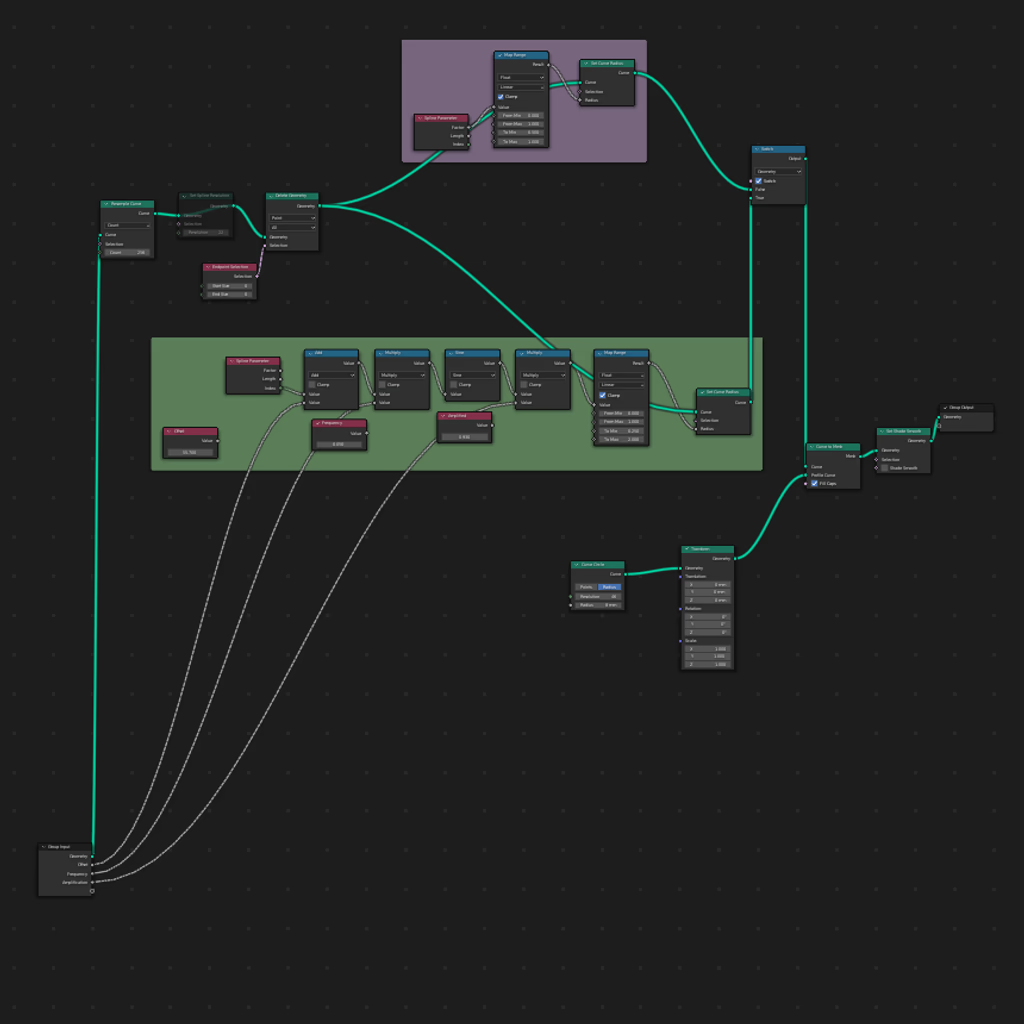
I began diagramming in sixth grade with a simple lottery‑simulation program, and that early practice evolved into a lifelong tool for visualizing ideas—from the Geometry Nodes in…
I’ve been crafting web pages for years, starting with basic HTML and ASP, then moving on to Perl, PHP, ActionScript, Java, and finally Node.js—all while learning by building…
The post argues that true comprehension comes from materials organized for easy access, learning is an art that requires individualized instruction paced to each student’s…
By following your own curiosities and talents, you can build a lifelong, self‑driven education that constantly expands as you experiment with new combinations of knowledge. The…
Real education is an adventurous journey of exploration and continuous learning: each new experience—whether through reading narrated books from the library or visiting museums,…
The author proposes using an inexpensive single‑board computer—specifically a Raspberry Pi 4 kit costing under $200—as a practical development machine that forces efficient…
In the post, the writer reflects on creative growth, arguing that each new artwork should surpass its predecessor, and stresses how a comprehensive, real‑life…
The post argues that cultural progress hinges on embracing narrated books from leading intellectuals; by learning through these works—repeatedly and reflectively—people can…
The post argues that many of society’s systems—grades, borders, wars, prisons, schools—are mere games or rituals that mask underlying problems such as poverty and…
The post explains the “fence‑post” problem that arises in programming when counting elements of a list (or array) and using zero‑based indices. By walking through an example with…
The author argues that the traditional school system relies on rigid pre‑requisite classes, timed lectures, and rote memorization designed for state tests rather than genuine…
The author reflects on human nature as an inherent drive toward growth, safety, and self‑education, arguing that wars, poverty, and weak schooling systems have thwarted the…
The post argues that learning any new skill—whether a language, programming, or art—is driven by practical context rather than textbook theory; just taking classes produces rote…
The narrator begins by recalling how “Mother Nature” invited him into her woodland world, only to return home after days of solitude, reading books and reflecting on his own…
I started my coding journey with simple visual tools that felt like a board‑game, then moved through a stack of languages—Visual Basic, ASP, Perl, PHP and finally…
The post argues that learning is most effective when tailored to an individual’s own pace and interests; formal schooling often fails because it imposes fixed sequences and…
Each child is a unique creation, and humanity must craft a culture that inspires, nurtures, and educates—an architecture of art where wisdom, not manipulation, guides life. The…
The poem celebrates humanity’s inherent beauty and freedom, arguing that broken cultures lose their nurturing power while compromises erode wisdom. It calls for unity, growth,…
The post explains that curiosity is simply noticing something new—like learning to use a 3‑D printer—while an idea is what emerges from that curiosity and can be developed into…
A young woman from an ancient city, inspired by a beautiful kitten, sought to master art and journeyed to a renowned artistic village where she consulted its wisest man. He…
The post explains that starting an art practice by using reference images directly—often called “tracing”—lets you learn quickly and build a personal style through shortcuts and…
The author reflects on reshaping our world by uniting cultures through education, arguing that only by ending global poverty—via universal income banks and free schooling—can…
By applying a reference image directly onto the canvas, an artist can create a faithful hyper‑realistic reproduction that serves both as a master study of the subject and proof…
The post explains that art is an innate skill that needs structured practice—much like learning to write or ride a bike—and that tools such as ruled paper, grids, and…
The post argues that many “mentor” artists underestimate newcomers, guiding them on a long journey rather than letting them become equally skilled, and that true art must be free…
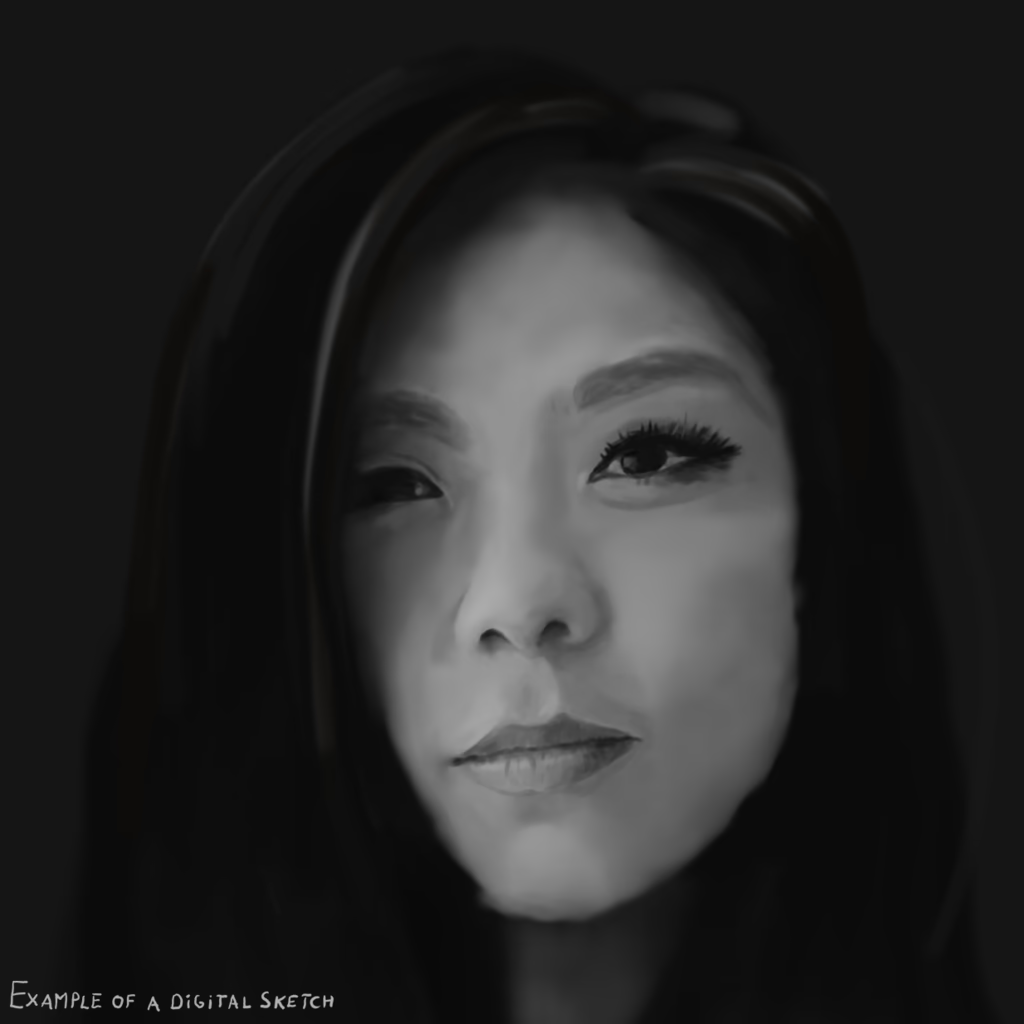
The author explains why choosing the right reference photo is key for any portrait: a model must pick an image that truly shows her face under good lighting, from the proper…
The post is a stream‑of‑consciousness meditation on the human condition, arguing that true learning comes from stepping outside of pain and recognizing how our own missteps…
The author explains that creating art is not magic but a systematic process of navigation through techniques—using reference images, tracing paper, grid methods or digital…
The post argues that a painting should “speak”—not with misery, but with meaning—and that its message can be either inspirational or humorous. It suggests blending images with…
The post outlines three main approaches to art—Quasimodo, Digital Art, and Lowbrow—each with its own flavor. Quasimodo represents traditional classroom learning that can feel…
This post explains a simple, repeat‑based method for drawing faces quickly and accurately. It suggests using tracing paper, a projector or transparent digital layers to get…
The post argues that true learning comes from following your curiosity—combining art and programming, mastering tools like regular expressions through hands‑on practice—and that…
The post argues that the current education system is deliberately designed to make students feel inadequate, relying on memorization and standardized tests rather than true…
In this post the author reflects on how children remember and expose their teachers’ lies, thanks to their growing connectivity and knowledge. The writer argues that as people…
The author contends that true art is life‑changing and sees truth as lofty mountain peaks guiding the creative spirit; by traveling many roads, cultivating knowledge, wisdom, and…
I spent my college years oscillating between philosophy and art, first struggling through a dull Descartes‑centric course that left me craving deeper insight into Žižek’s ideas…
The post argues that conventional schooling—studying hard, cramming, and attending unsequenced lectures—fails to give meaning to tests or true knowledge; it portrays education as…
The article explains why coloring a portrait face in hyper‑realism is challenging: no single hue fits every detail, and each feature often requires a slightly different shade. It…
The post presents a straightforward, teacherless workflow for learning drawing and painting that relies on three core stages—sketch, value (black‑and‑white) study, and color…
The post offers a quick guide to using grids in Krita, pointing readers toward several helpful videos (setting up grids, grid‑scaling tricks, and apps that auto‑generate them)…
The post weaves together art, philosophy, and lived experience as the forces that shape personal growth, using imagery of trails, filaments, and learning stages to show how early…
The post explains how to use an airbrush—especially its pressure‑sensitive opacity—to build a digital illustration from scratch: start with a thin sketch layer (using light pen…
The post claims that the grade‑centric, punishment‑driven system of standardized schooling steals joy from true learning, and that only self‑education can revive learning before…
The post explains how to use Krita’s Image Reference Tool by first pre‑arranging a scene in a photo‑editing program (or a solid image), then overlaying that reference onto your…

In this post, the author extols the virtues of “Bush Babies,” portraying them as audacious, intelligent, and artistically inclined. They claim that engaging in art from early…
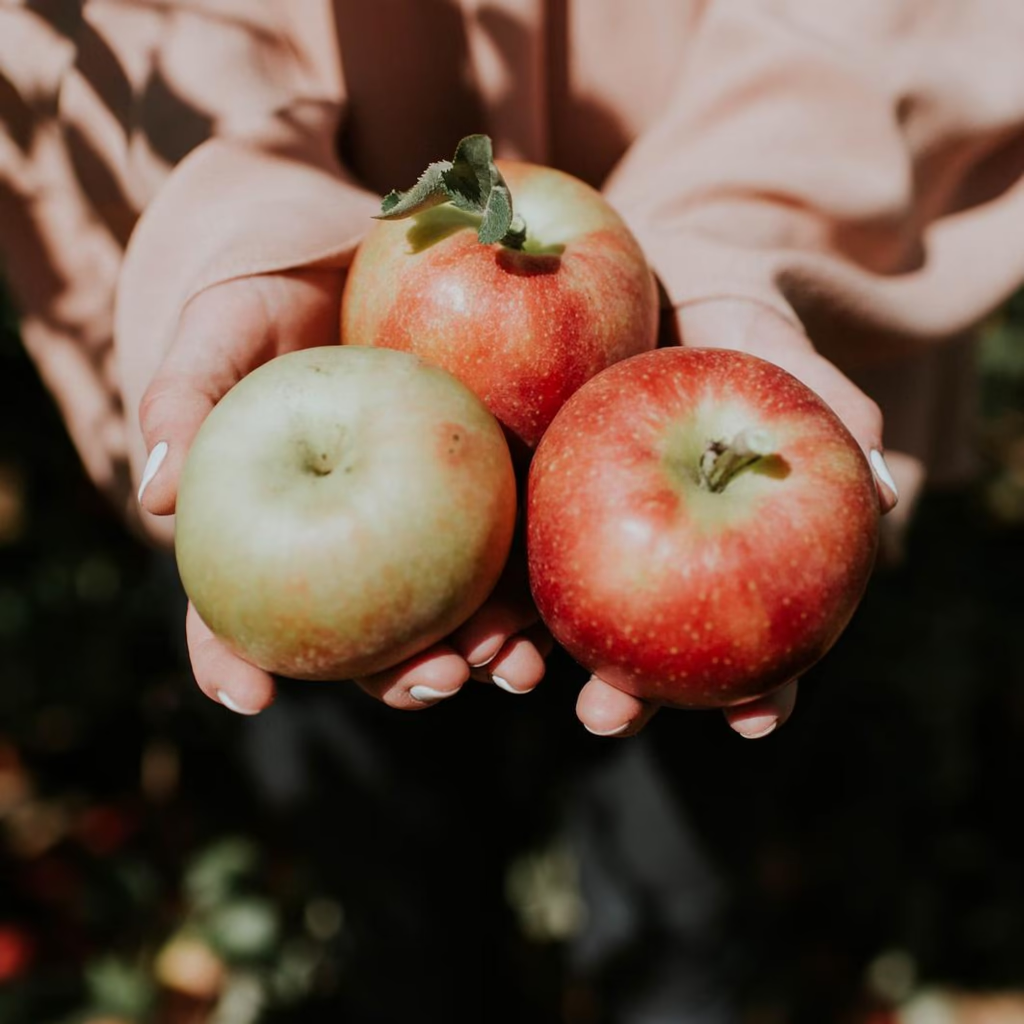
Using a playful analogy that starts with Carl Sagan’s quip about baking an apple pie to “invent the universe,” the post explains how simple 3‑D objects such as apples can…
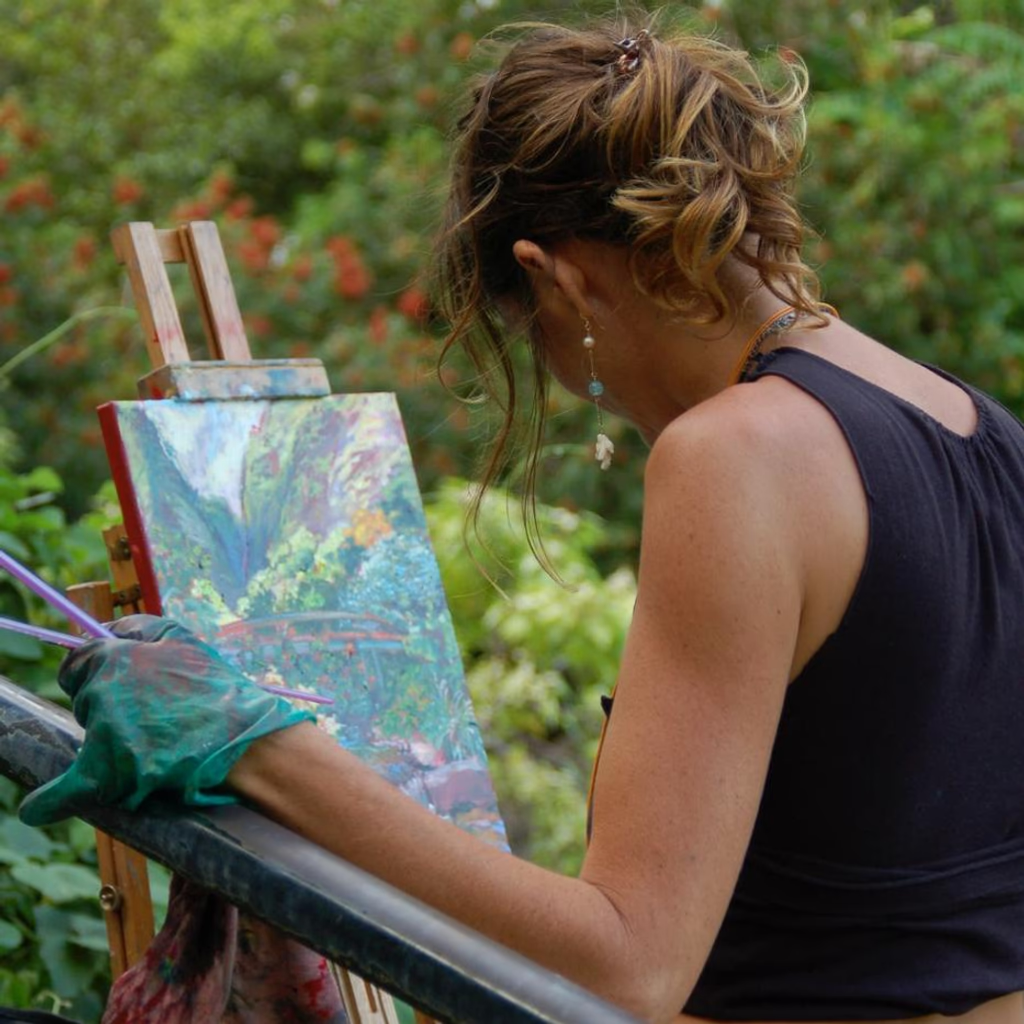
In this post the author stresses that creating a painting—especially of a cute kitten—requires deliberate preparation: first, sit down with clear art ideas and expect no instant…
Humans are built on ancient technology, with knowledge acting as our batteries; advertisers plug electric scooters and sugary drinks into the “battery compartment” of our ears,…
In this reflective post the author describes how a series of creative pursuits—painting realistic hair, re‑meshing complex 3D jewelry shapes, uploading audio files beyond free…

The post encourages artists to learn by painting hair and portraits using photos as references rather than tracing or photobashing; it stresses free‑hand work and self‑paced…