My Little Adventure In 3D Modeling
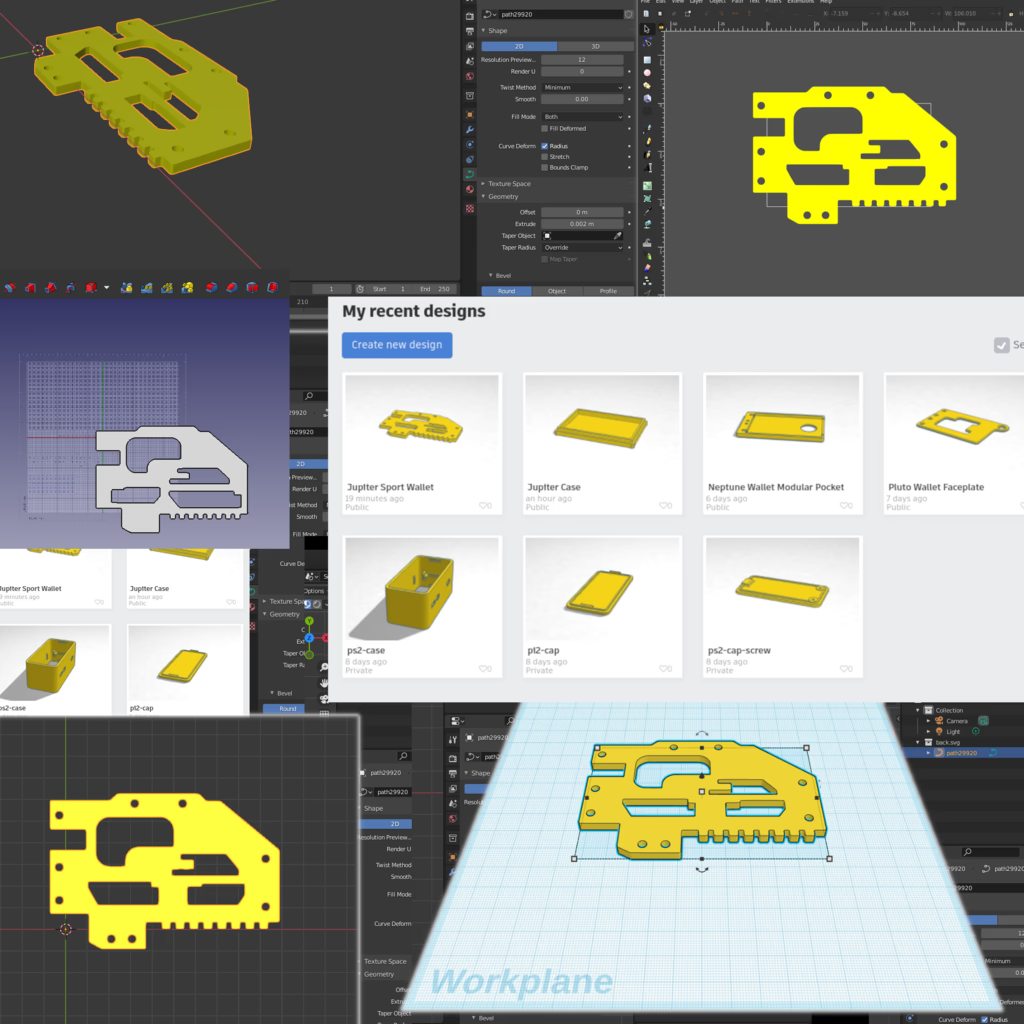
The author shares their experience learning 3‑D modeling after watching a beginner‑level Blender tutorial that demonstrates basic operations such as cutting, extruding, scaling,…
Painting, drawing, digital art, 3D modeling, photography, design, music and dance.
211 posts · page 8 of 9
The author shares their experience learning 3‑D modeling after watching a beginner‑level Blender tutorial that demonstrates basic operations such as cutting, extruding, scaling,…

I started by exploring a Blender Doughnut tutorial and found its keyboard shortcuts and interface clear, which prompted me to use Blender as a backup to FreeCAD while also…
The author argues that the true “key” to mastering design lies not in formal grades or tools but in a genuine, personal curiosity that drives one from childhood museum visits…
I began experimenting with 3‑D computer-aided design (CAD) on an old DOS machine that had a simple CAD program installed. Over the years I explored several tools—POV‑Ray for…
The author shares practical tips for painters who travel to find inspiration: bring a portable easel but plan ahead so you can set it up in the right spot; use photography as a…
The author reflects on his creative process by recounting how he writes three poems—about inspiration turning into wisdom, about meaningful education, and a meta‑reflection on…
The post encourages painters to slow down and observe everyday colors, recording them in a journal so they can be recreated later; it stresses building color through transparent…
The post explains how to render graphite portraits: first locate the darkest parts of your image, work with mid‑tone pencils such as B or 2B, avoid hard strokes that damage…
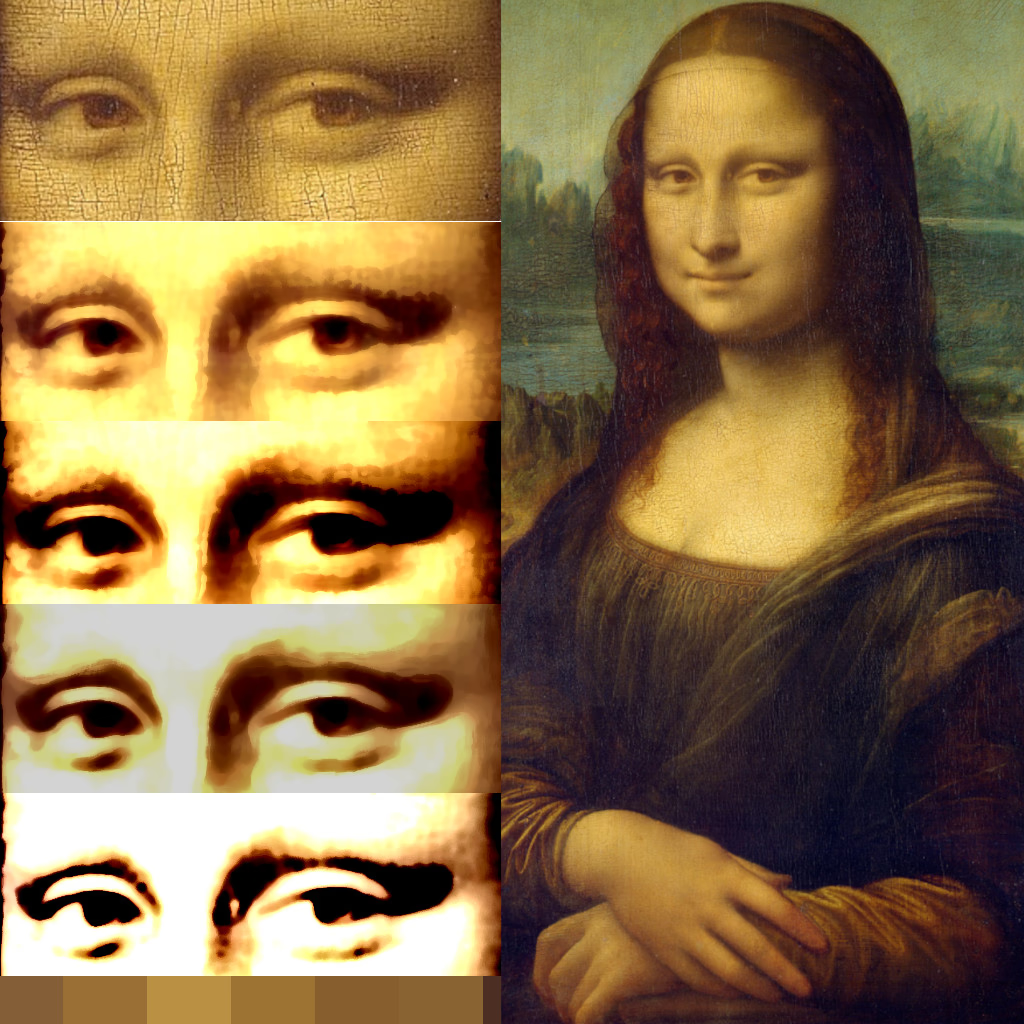
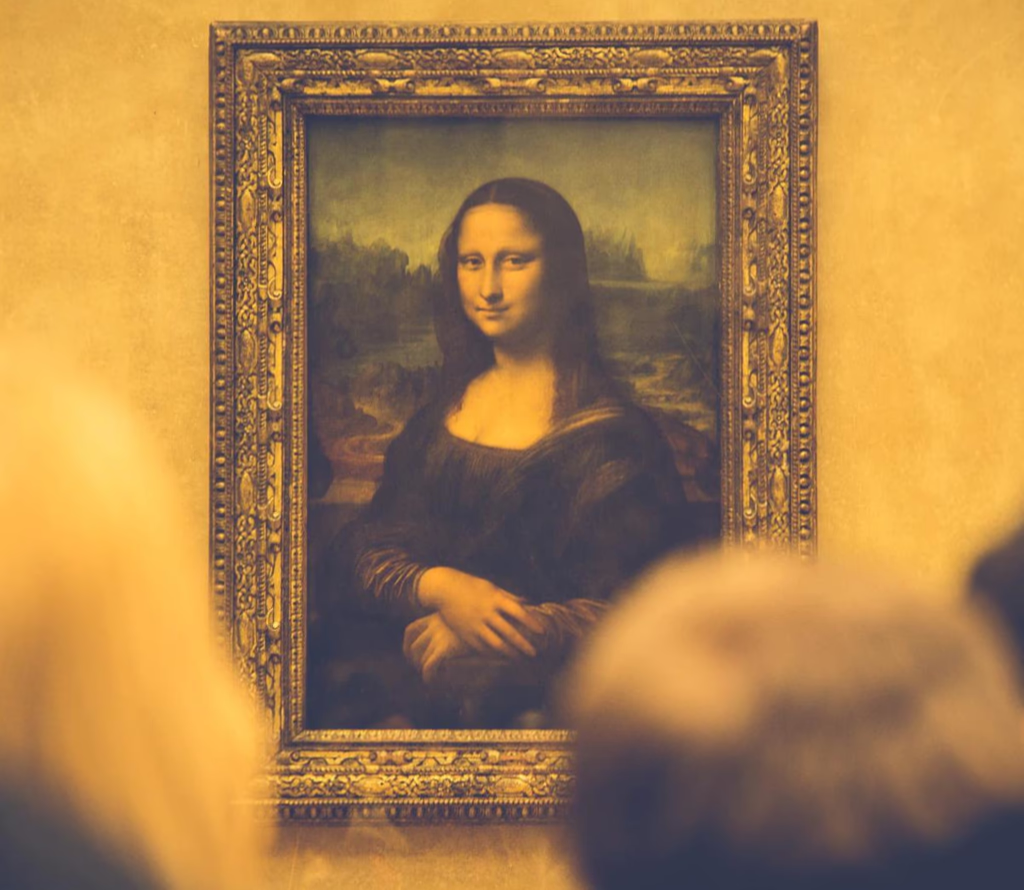
A concise guide that argues tracing is an art form, explains how to faithfully reproduce the Mona Lisa by hand‑drawing it onto drawing paper with homemade carbon transfer, and…
The post explains how creating an oil painting is a multi‑day process that benefits from careful color planning, pre‑mixing, and iterative sketching—using tools such as GIMP,…
Artists often feel they lack skill, but the key is drawing concepts—such as using an L‑shaped nose for modern graphics—and mastering color schemes and proportions. To capture a…
The post is an exhortation to create art that endures—starting with a simple yet powerful frame, carving a single large stone with a hammer, and shaping it patiently over a week.…
Innovation comes from observing everyday objects, combining existing ideas into new creations that are simple, lightweight, and naturally fit together; by paying attention to…
On this post I describe a lonely stone bear perched atop the ancient Mount Ślęża—an enduring symbol that has been revered for millennia as a special place where sun‑worshipping…
Dance is celebrated as a living poem—an art that began as battle training but evolved into a noble expression of human creativity. The post mixes personal memories (watching Fred…
An Art Book blends simple, practical design with rich content: it offers step‑by‑step tutorials on your own style—pencil choice, techniques, and personal tips—and pairs them with…
Using a projected photo with well‑placed light and shadows—tweaked in GIMP and traced onto paper with appropriate pencils and blending tools—helps an artist capture accurate…
The post begins by noting how simple moments can shape future trends—an idea echoed in Jobs’ minimalistic approach to design—and then shifts to the music world, where it argues…
A whimsical poem celebrates the arrival of spring, describing how the author feels the season’s warmth and renewed energy through everyday scenes—a car thermometer reading 70°F,…
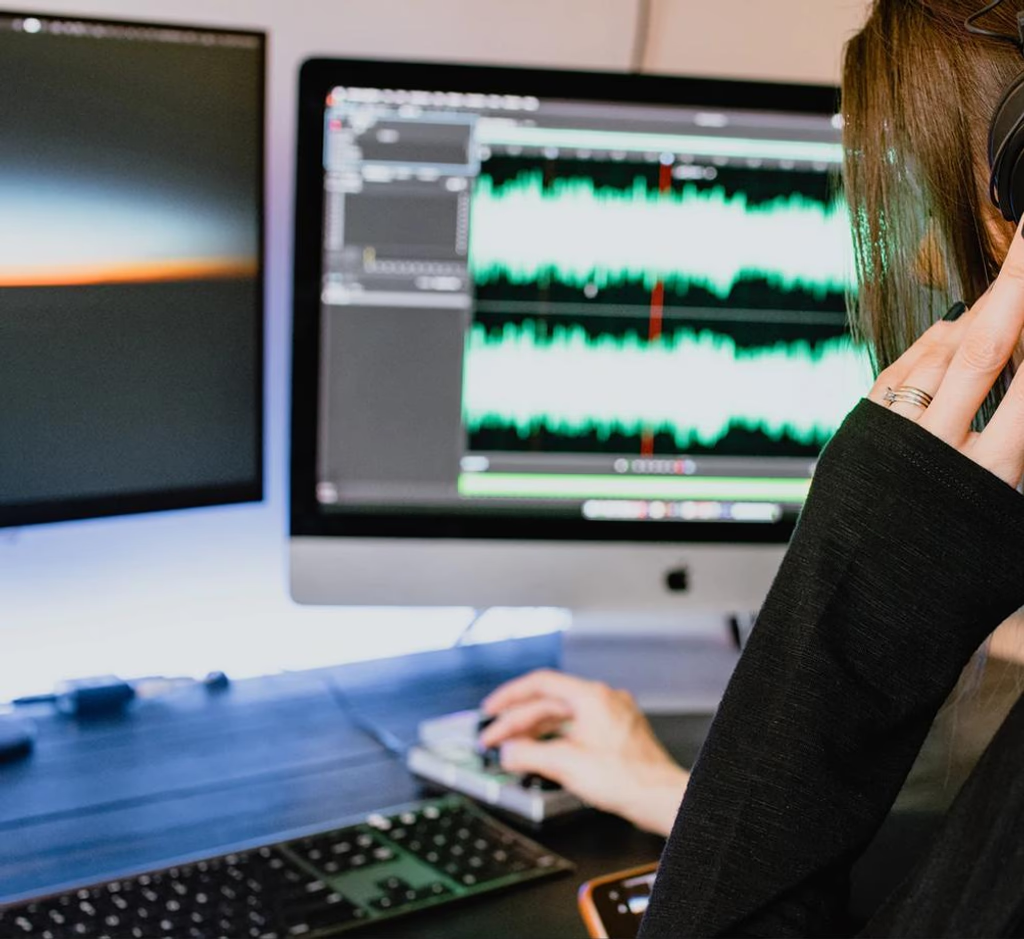
The post explains how self‑learning music can be both accessible and inspiring, using free software such as LMMS to experiment with classic analog synth sounds—specifically the…
The post explains how to learn music programming by starting with a simple LMMS project—specifically a “Faded” clone from Alan Walker—and then inspecting its piano rolls,…
The post explains how to grasp a song’s structure by listening and then outlines a simple, repeatable framework—opening, intro, action 1, rest, action 2, closing—with each…
In the post the writer uses “Happy Birthday” as a simple illustration of how melodies can arise from singing or playing on instruments, noting that they often start with words…
The post discusses how modern drum production blends synthetic samples with real recordings, noting that less computer‑like a drum tends to sound better. It explains the four…