·

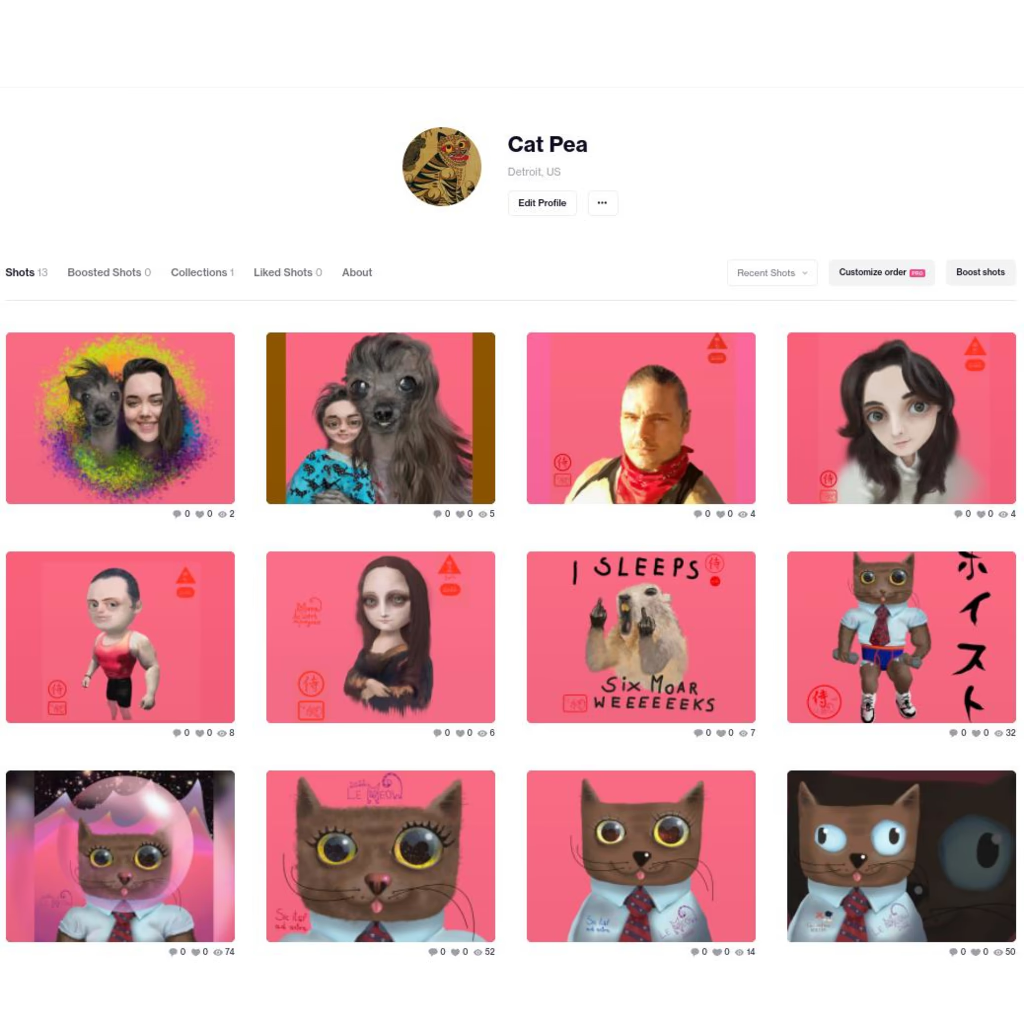
#0725: Beyond The Photo

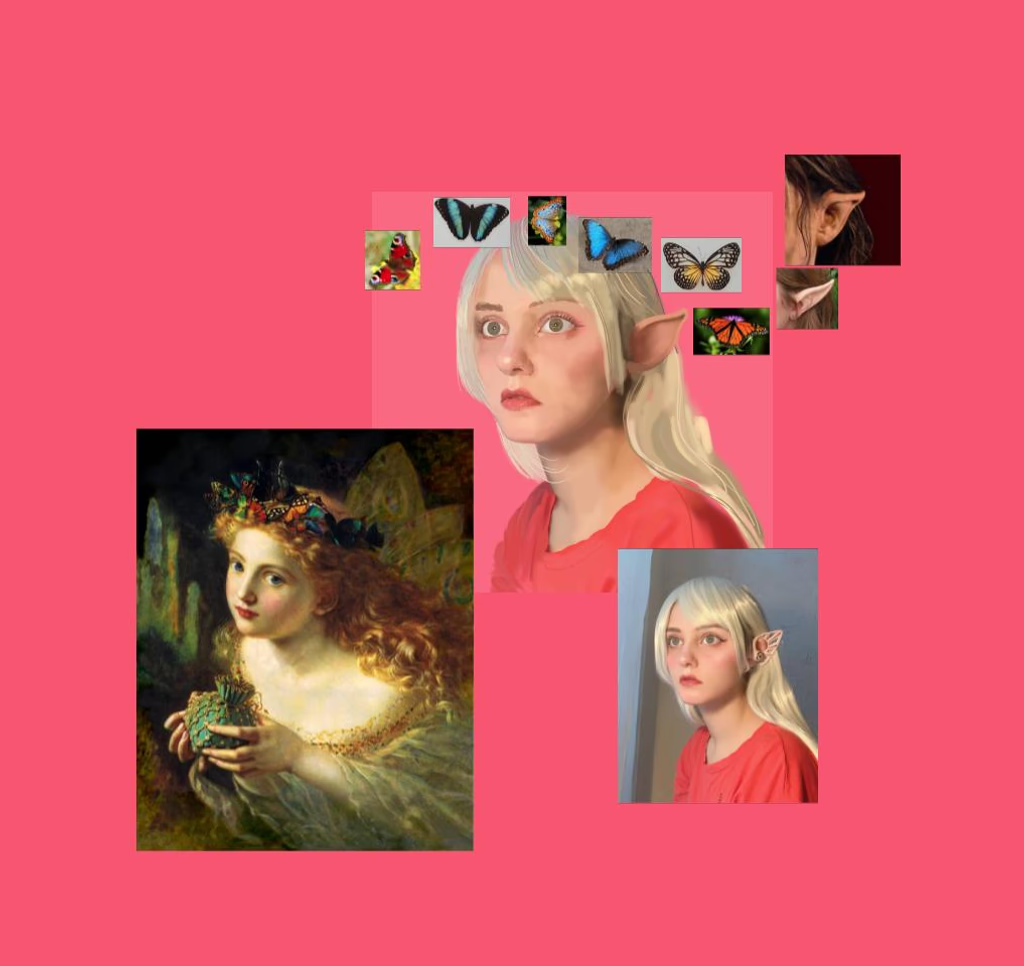
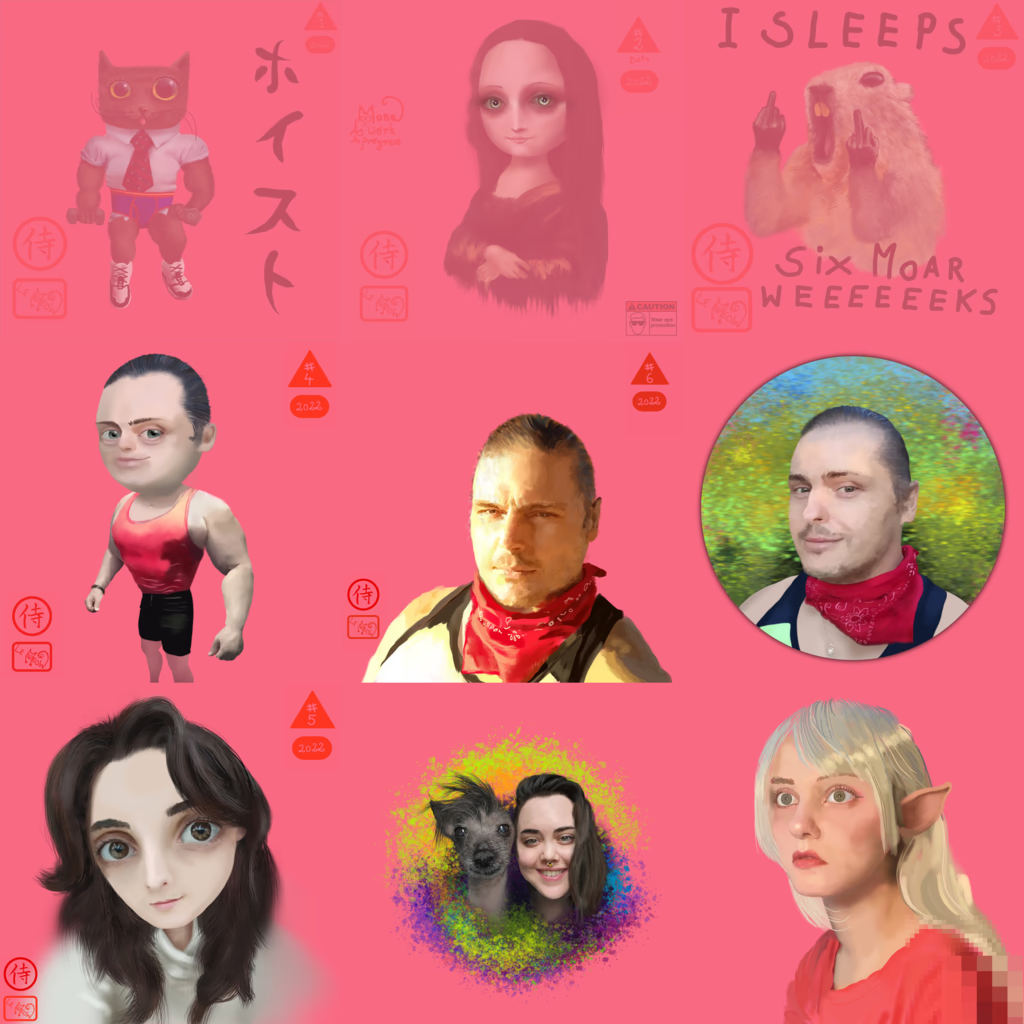
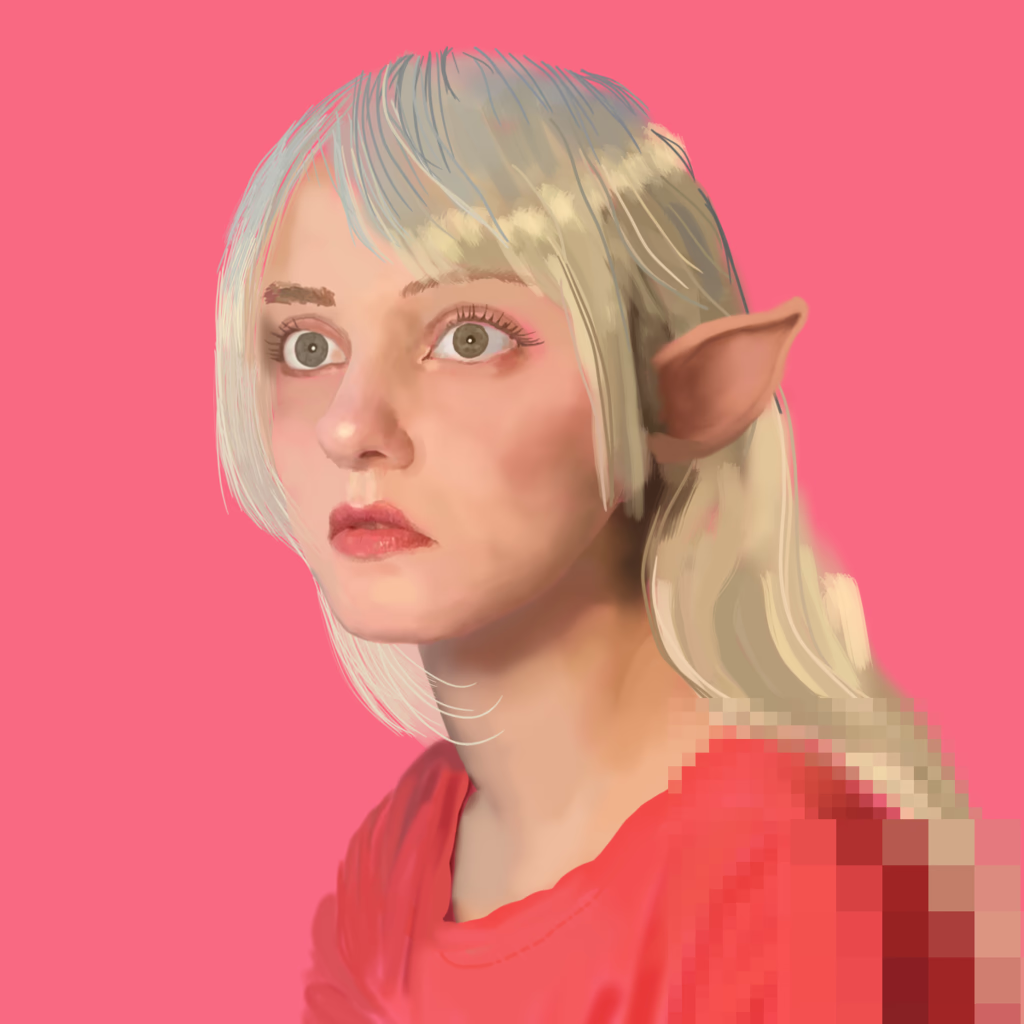
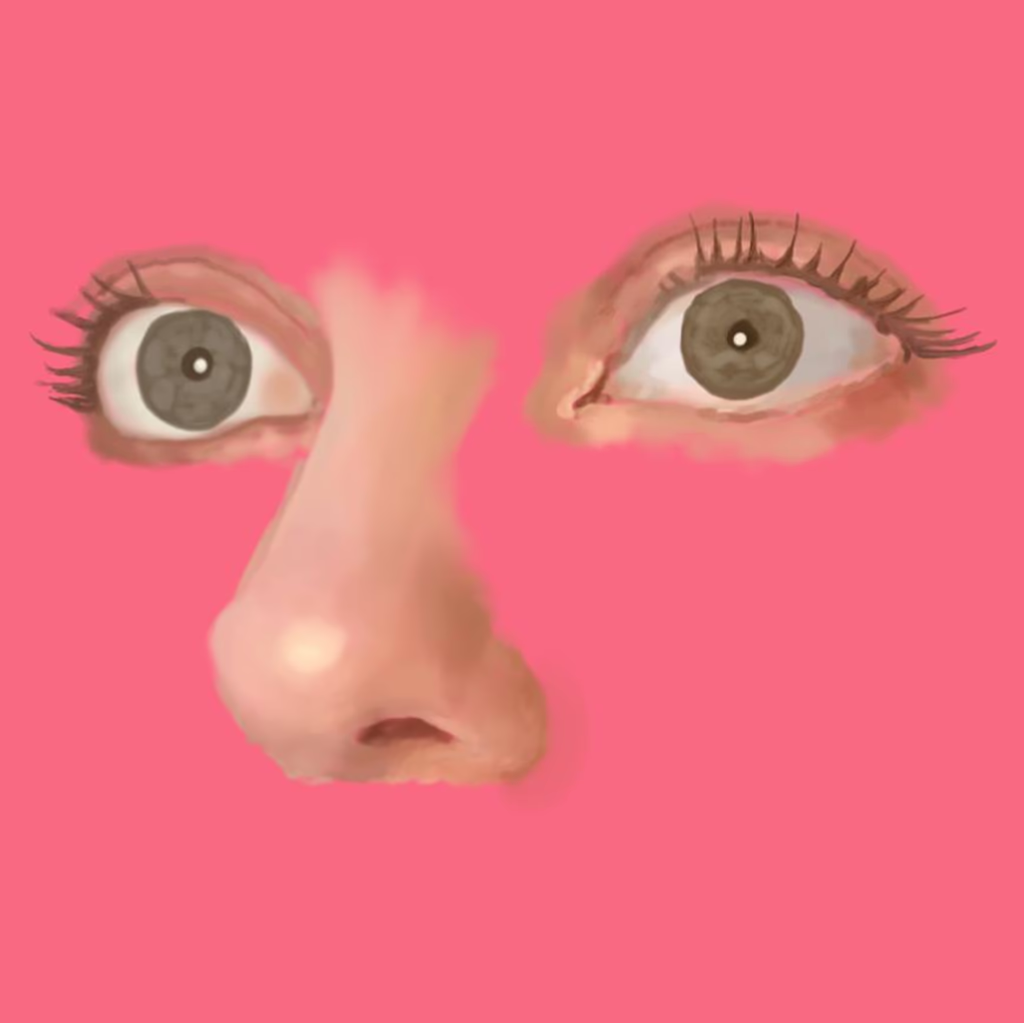
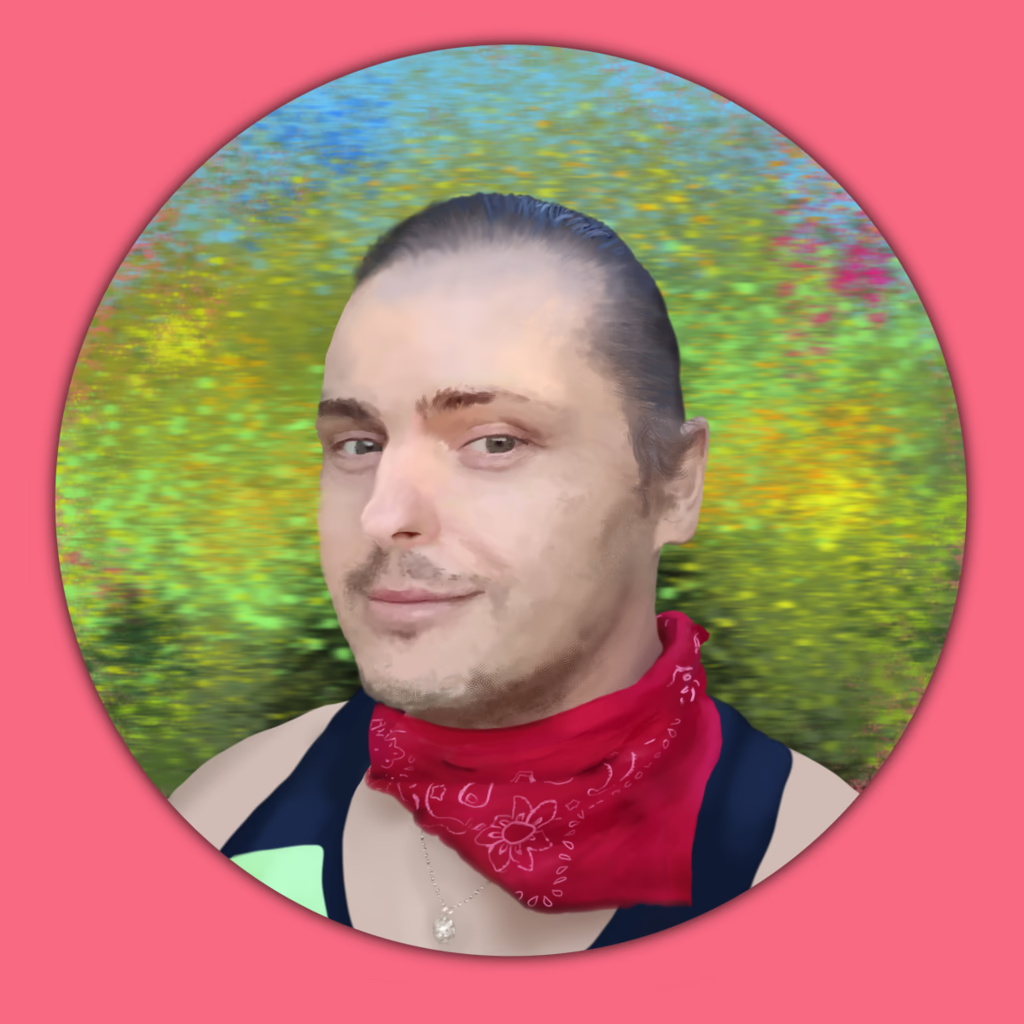
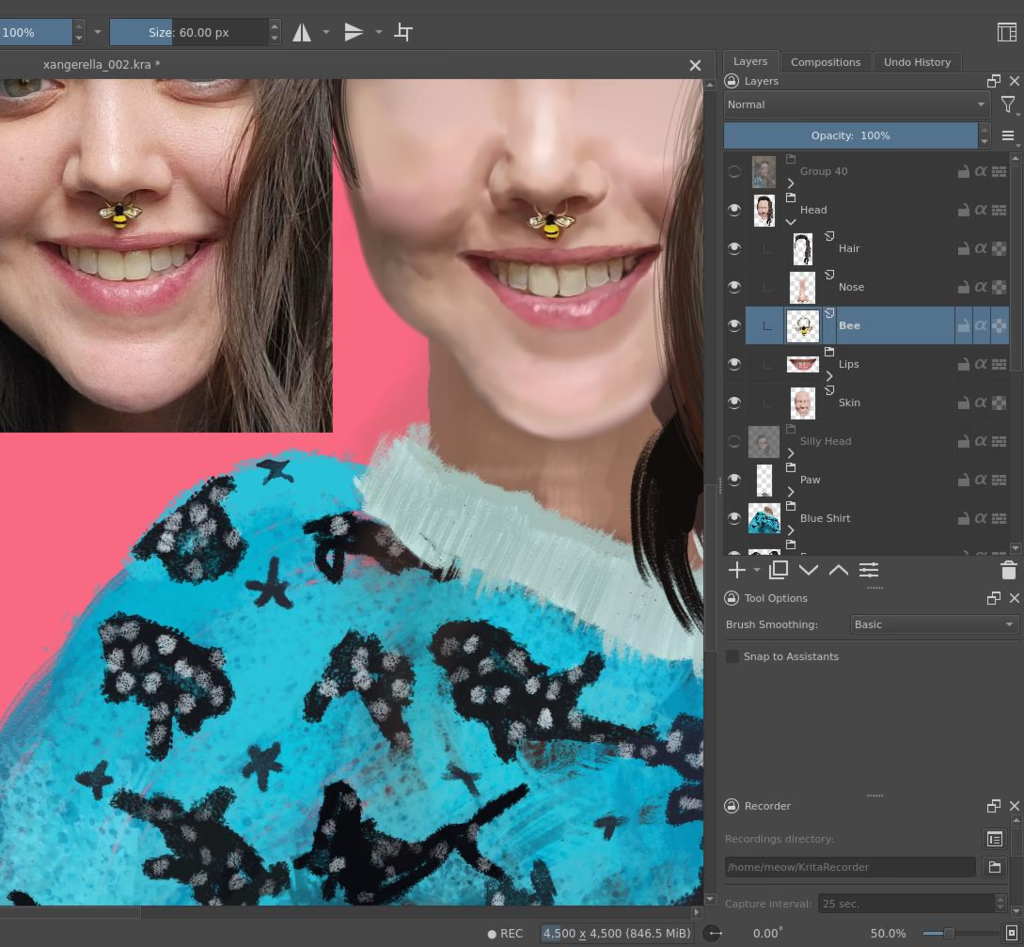
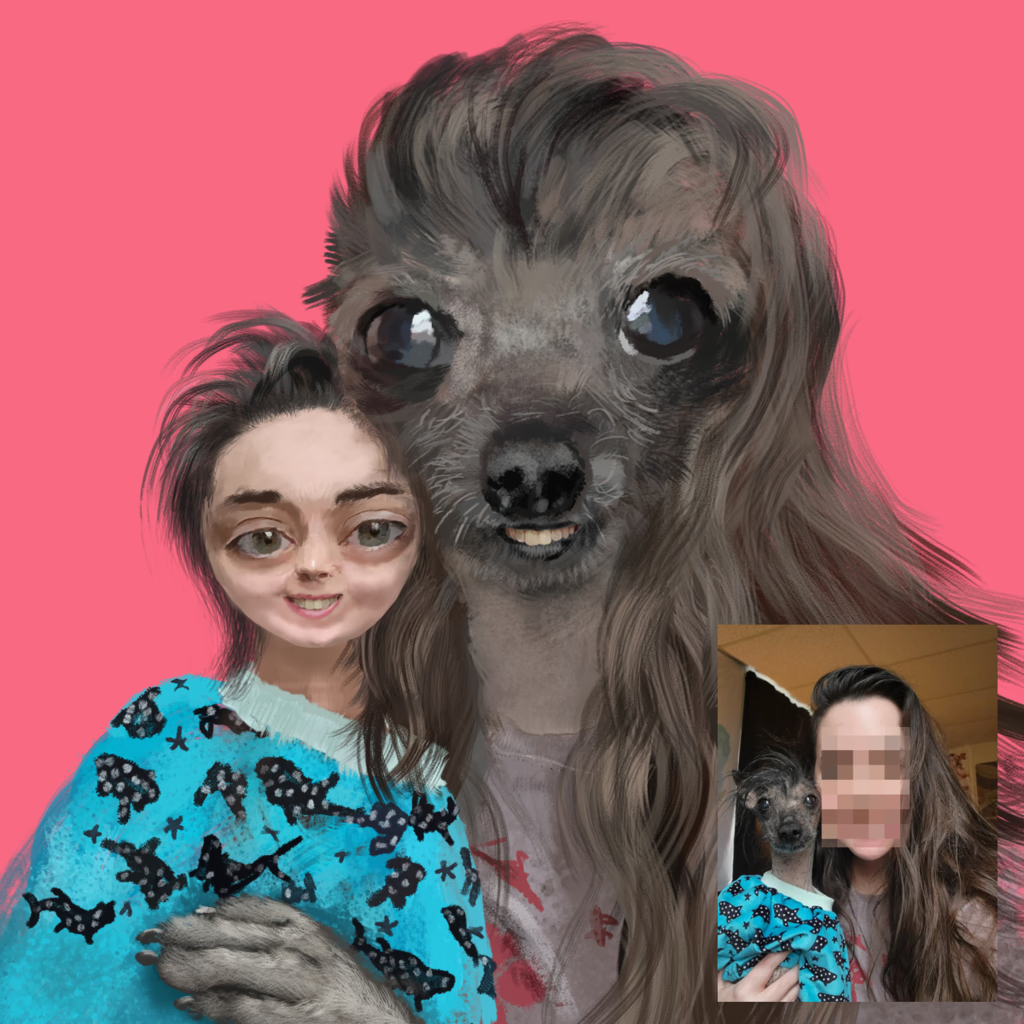
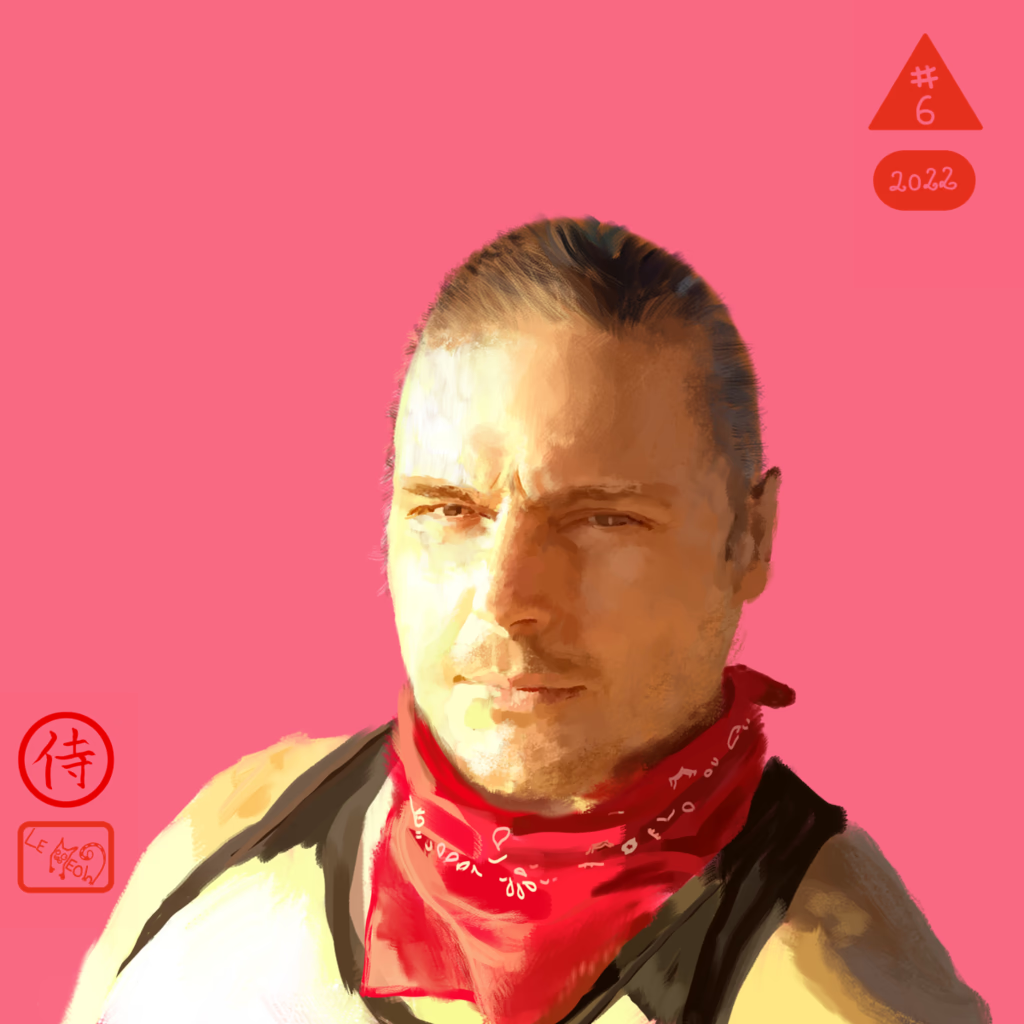
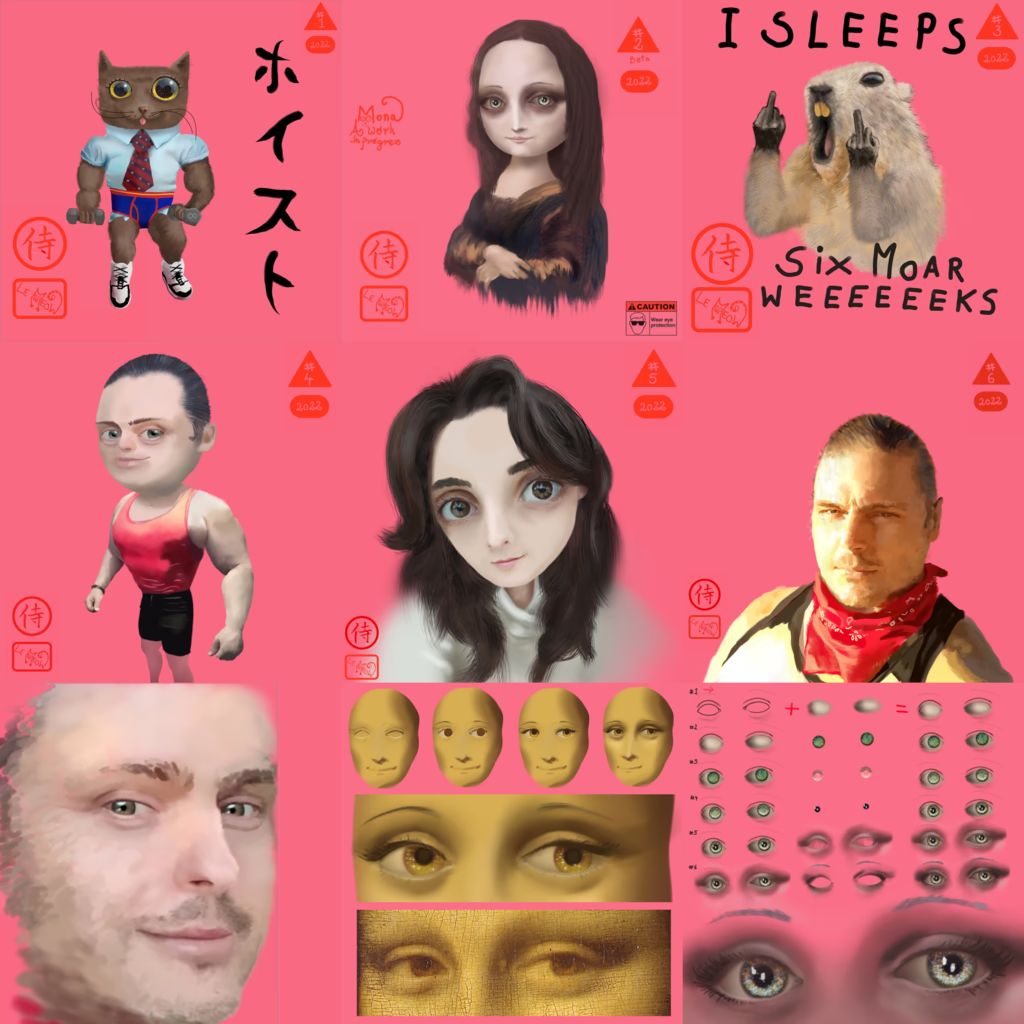
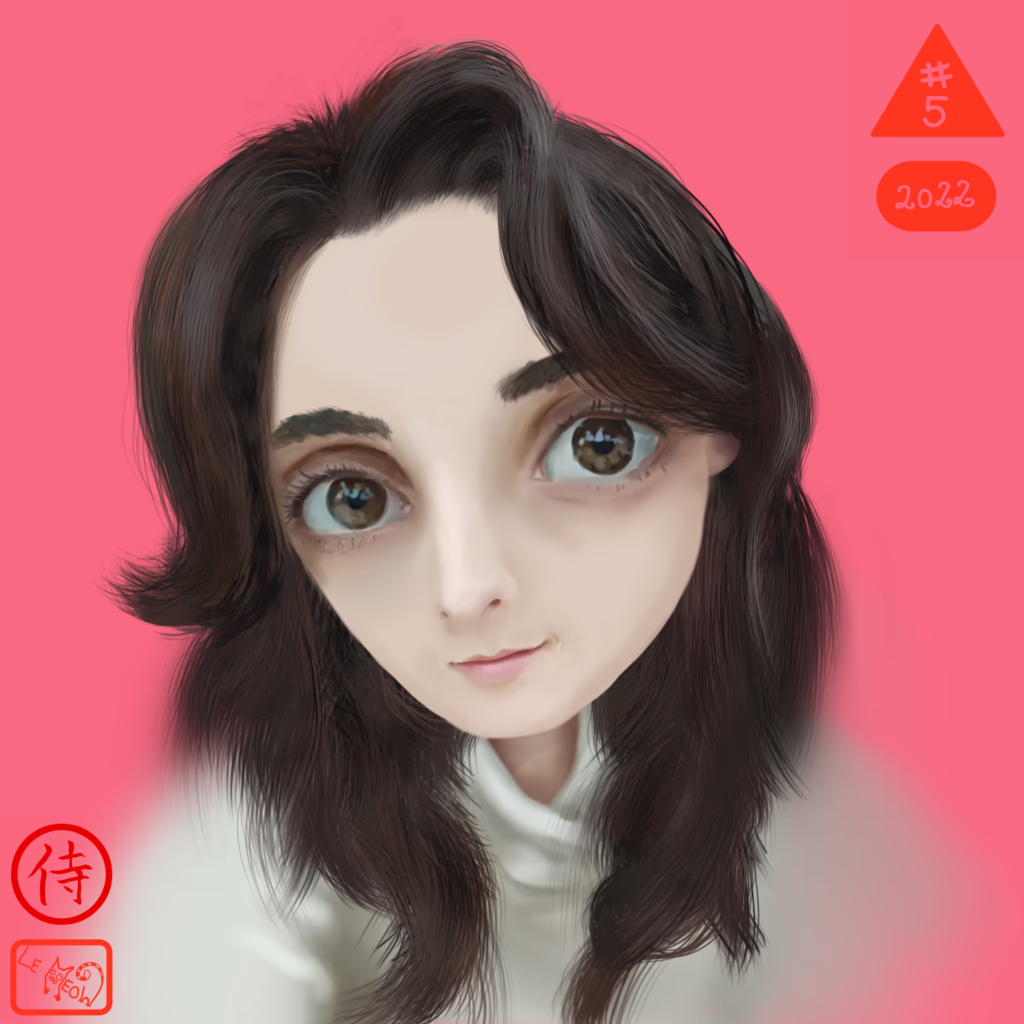
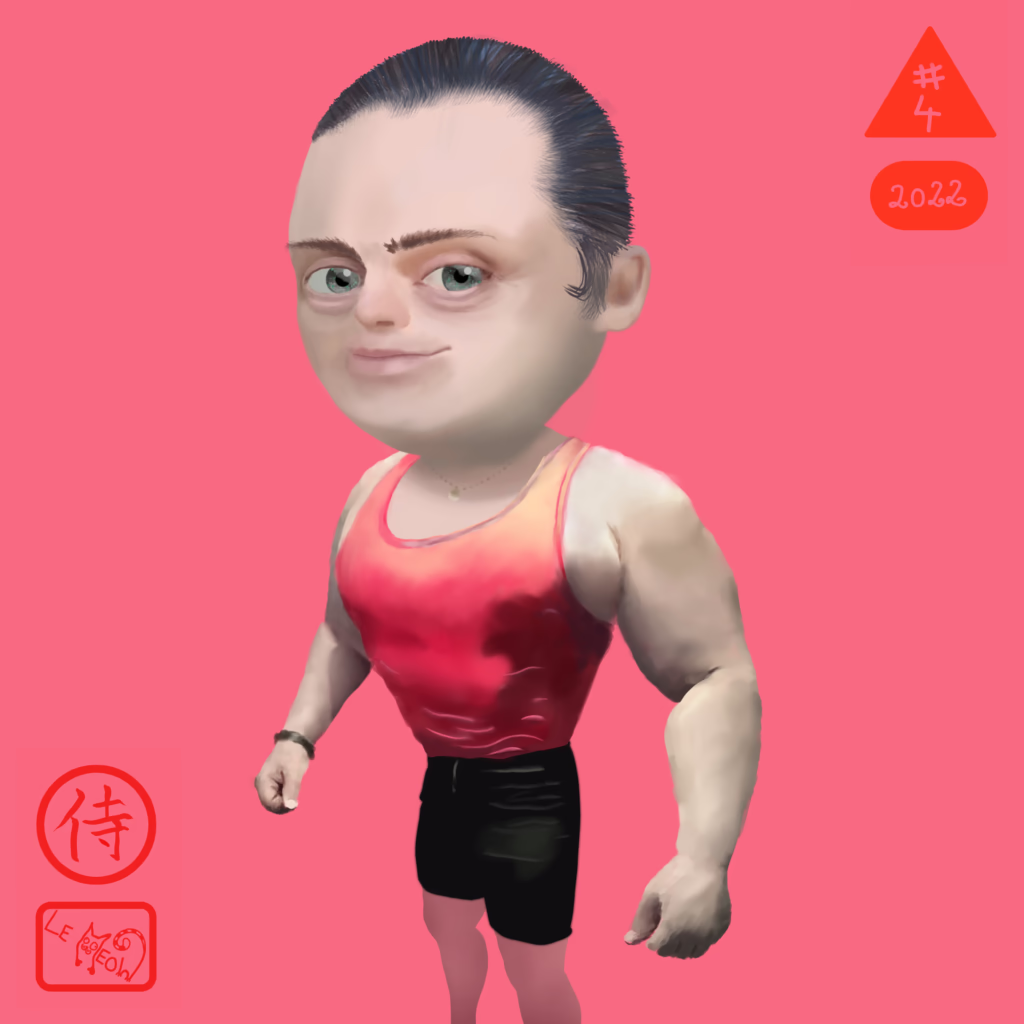
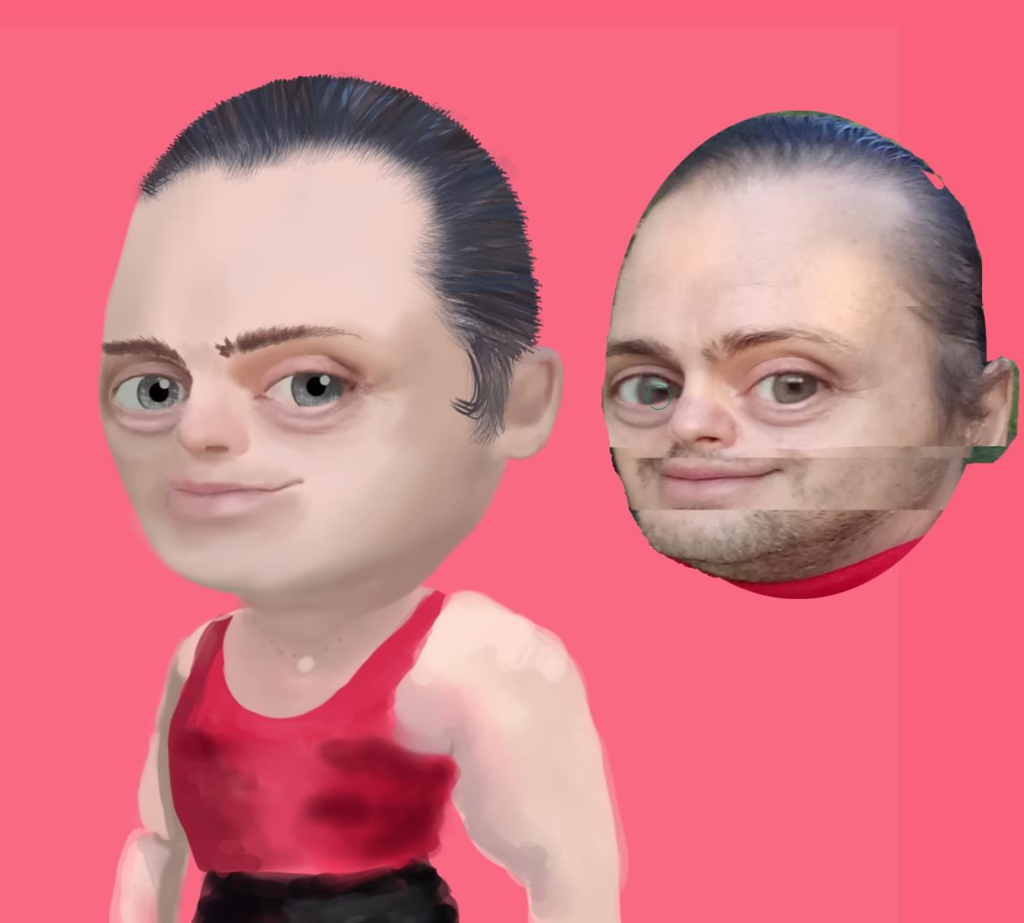
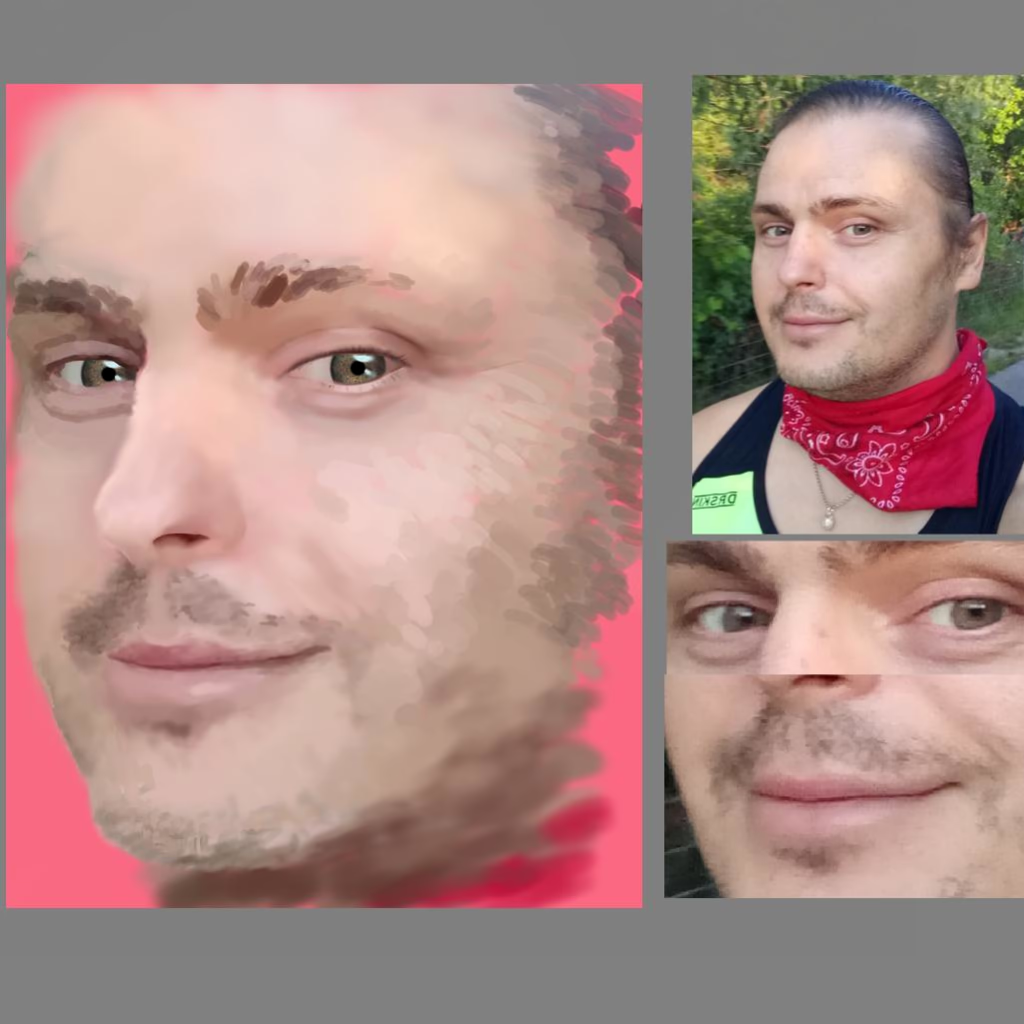
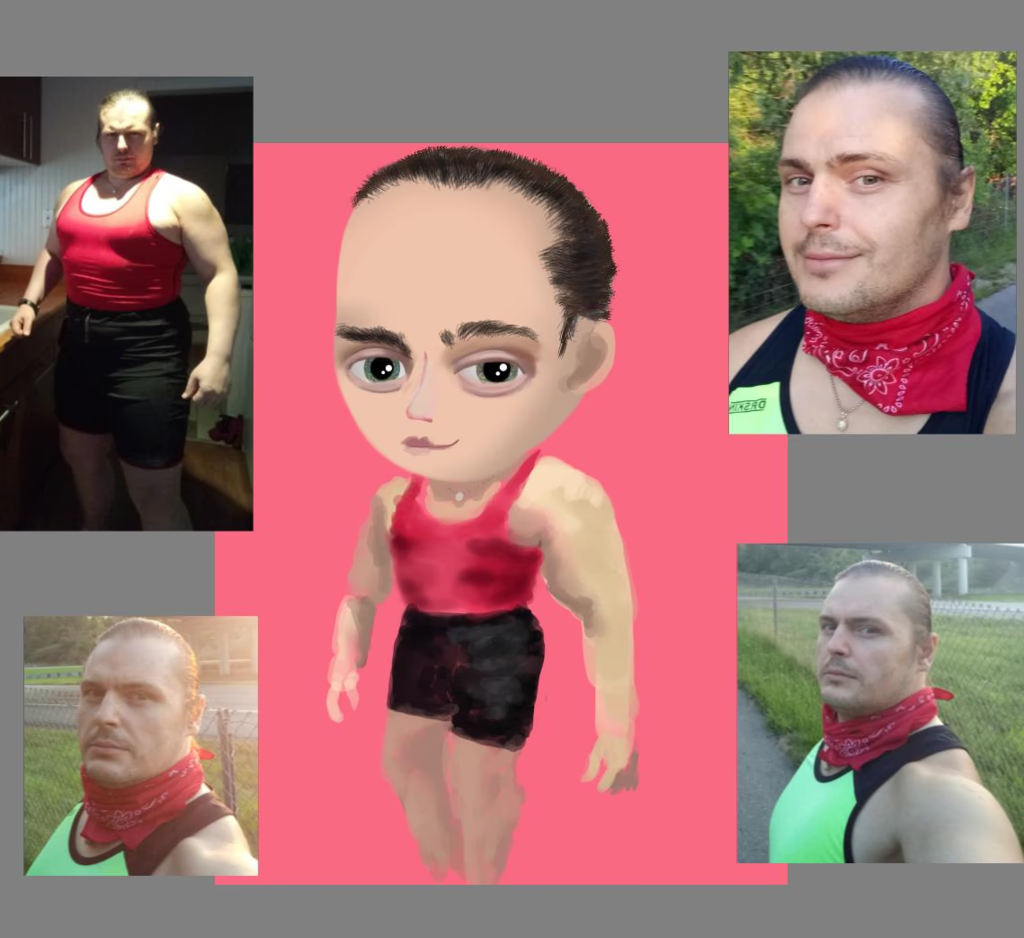
The post outlines how to build an effective art portfolio by starting with simple self‑portraits, photo‑realistic pieces and cute caricatures in a Pop Surrealism style, then expanding into other techniques while consistently showcasing what viewers can expect; it recommends using online resources such as Dribbble for inspiration and Unsplash for framing ideas, employing reference tools like Krita’s image reference, 3D modeling (Blender, MakeHuman) and manual references to quickly grasp facial features and color/shape details, all of which accelerate learning and improve the quality of a professional‑level digital art portfolio.

·

#0724: 25 Days Until Spring

The post describes the author’s anticipation and excitement for the arrival of spring, reflecting on how the season feels like a rebirth or true birthday after the long winter. They recount watching the first warm photos taken during a breezy day, painting scenes inspired by the change in nature, and noting subtle signs that spring is approaching—such as early bird arrivals and melting snow. The author expresses both the lingering chill of January and the hopeful warmth of upcoming rains, concluding with an appreciation for the small joys that come with the season’s return.

·

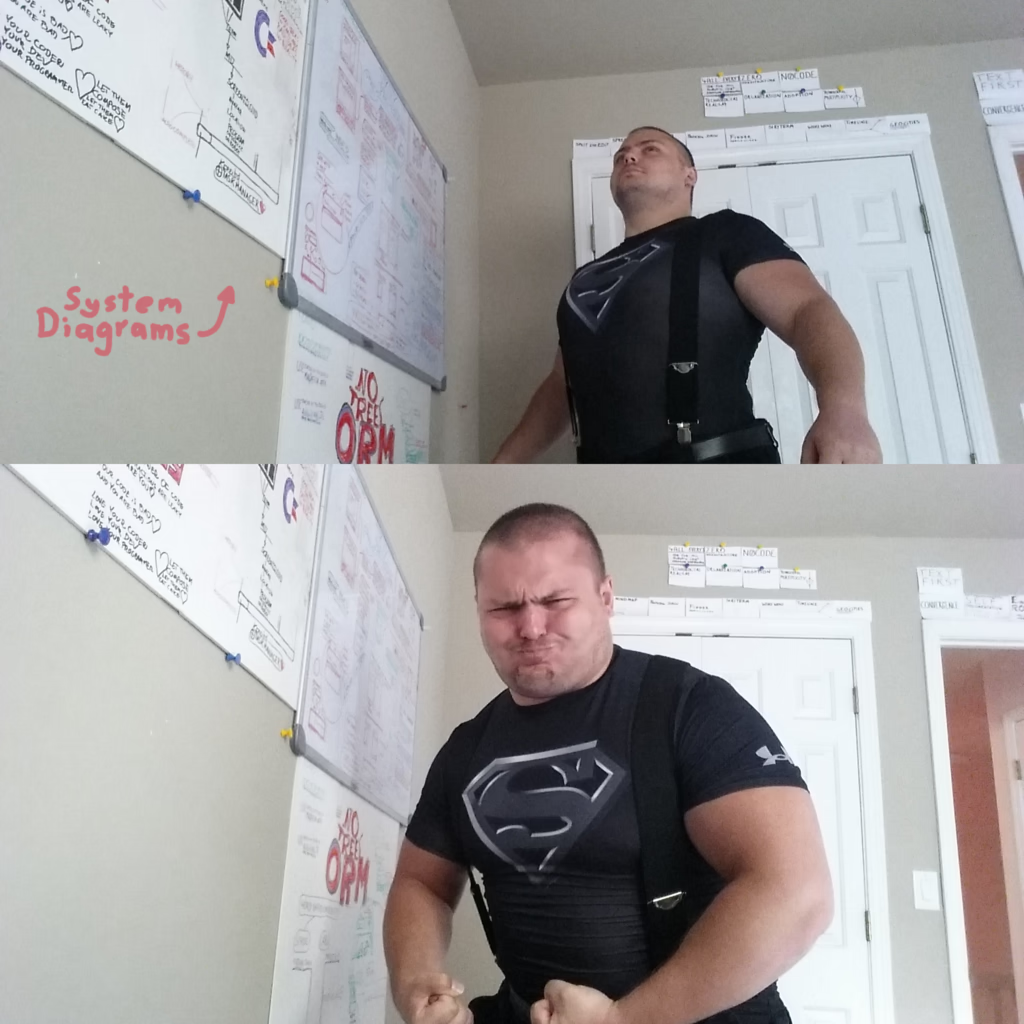
#0723: A Programmer's Poem: ORM, REST, OPSEC, MOO, And A Scary Smelly Grue

From low‑level bit manipulation up to flexible high‑level features like JavaScript’s eval, the author praises free languages over corporate “cubicle” ones and proposes a game‑style, MUD/REST hybrid system (C.A.T.P.E.A.) to make web programming intuitive.

·

#0722: And What If My Art, Does Not Sell?

A talented artist turns his nine‑piece portfolio into a scalable portrait‑making business by launching an online platform where clients upload photos for about $50, after which trained artists use reference images in Krita to produce nine stylized versions of each photo; customers then pick two final portraits (each costing $50), from which the owner takes 25 % commission while the artists add new works to their own portfolios. By structuring artist guilds and storefronts under a shared umbrella, the system generates traffic for all participants, and the initial “gap” in his career becomes a bridge that transforms individual art into an entrepreneurial venture capable of scaling from a few hundred dollars to millions per month.

·

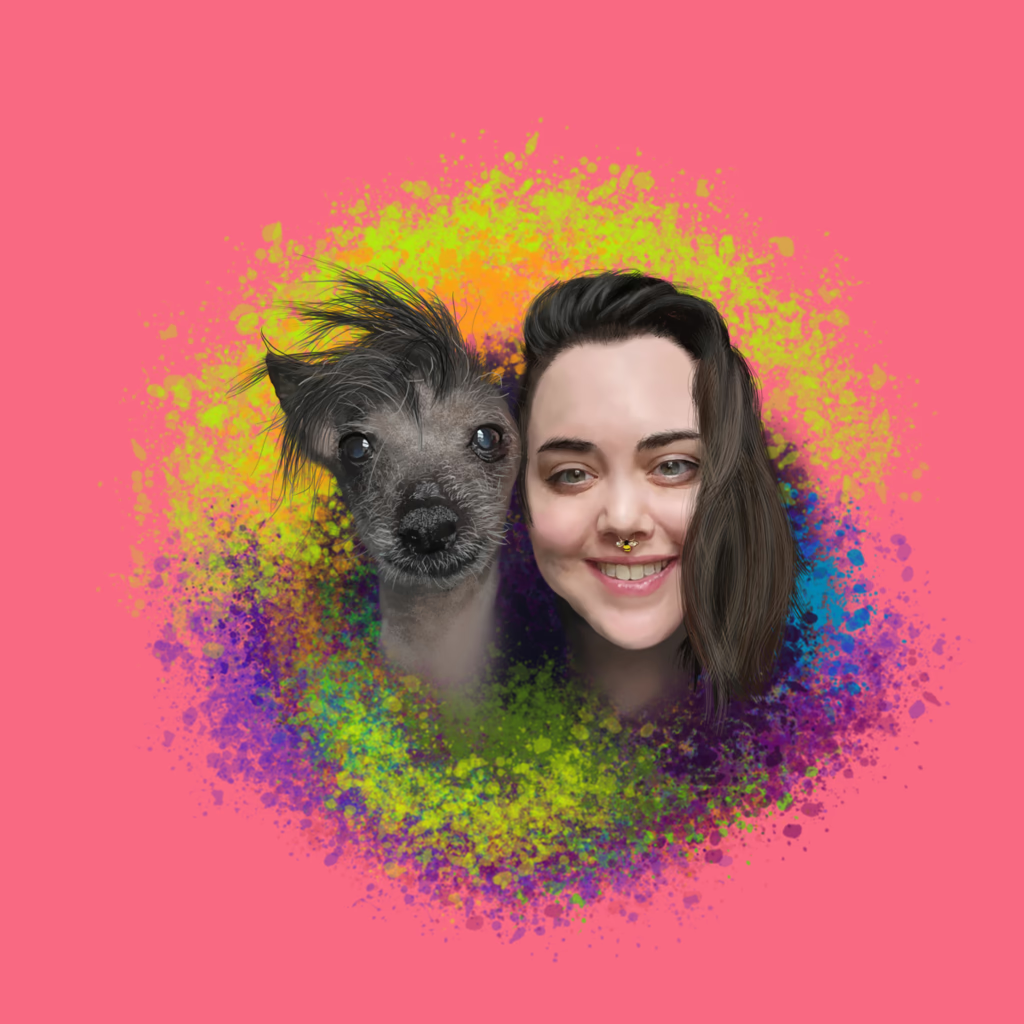
#0721: Artistic Realism Kind Of Pays The Bills

The post explains how to successfully sell custom portraits by blending realistic animal or human subjects with abstract, atmospheric elements—like purple nebulae and splatter textures—to create a balanced, visually striking composition that appeals to both personal customers (newlyweds, pet owners) and gallery buyers. It stresses the importance of a consistent portfolio of nine such works, an inexpensive website domain, and leveraging platforms like Reddit’s “Drawn” or Etsy for exposure, while noting that a strong realistic core gives the piece a “fire” that drives both artistic satisfaction and sales potential.

·

#0720: Talent Integration: The Online Academy Of Art

The post proposes building a free‑tuition Art Academy that generates revenue by taking a percentage of students’ art sales, and outlines the curriculum it should offer—from setting up desktops, installing Linux and Krita, to programming Krita extensions, GIMP, and generative tools like p5.js and SVG. It stresses a distributed, event‑driven architecture (with BDD‑style syntax) that lets users build the Academy’s content collaboratively, similar to MediaWiki, while also providing an overlay system for reference images on canvases. The academy should feature a storefront on platforms such as Dribbble and Creative Market, enabling students to fulfill art requests and earn money, thereby supporting their education and reducing debt. Ultimately, the post envisions this self‑sustaining, decentralized model as a catalyst for real artistic learning and global cultural advancement.

·

#0719: True Colors

Starting from true colors and adding enhancements on separate layers allows multiple color themes in one file, while over‑refining shapes is unnecessary because detail beyond the viewer’s perception adds little value—yet small imperfections prove the painting’s hand‑made nature. Digital tools make zooming easy and let you choose between a blurry image or a large canvas viewed from afar; when exhibited, large displays reveal brushstrokes and imperfections that set the artwork’s mood and invite viewers to imagine the effort behind it. Exhibitions can be launched quickly—just ten photographs or thirty days of painting—and displayed on monitors or projectors before printing a final frame only after a sale. Even with perfect palettes and shape references you still must build structures, visualise 3‑D forms, and place surfaces and edges correctly; this guided process lets you memorize facial features fast and eventually create faces from imagination, all while the call of realism keeps true color at its core.

·

#0718: How To Become An Artist And Enjoy Every Step

The post explains how to use Krita’s layer‑based “Cat Pea” reference‑image tracing, along with GIMP for color/shape guidance, to efficiently learn realistic portrait painting.

·

#0717: Three Weeks With Pop Surrealism: First Impressions Of The Absurd

The author reflects on their recent Hoistu Cat drawing, noting that adding realism made it more fascinating and emphasizing simplicity in Pop Surrealism; they praise lowbrow art as a powerful, timeless form of expression that can amuse future generations, linking the work to Reddit Gets Drawn and a time‑lapse video. The piece illustrates how playful ideas spawn new worlds, showing that art is both personal practice and universal experience, ultimately revealing who we truly are.

·

#0716: Impressionism 2022

The post contrasts large gallery art with smaller, business‑oriented pieces that may not bring huge profits but can cover everyday expenses like snacks. It then turns to 2022’s “Impressionism Of The Future,” explaining that the style relies on swift shape and color encoding (the Cat Pea Technique) and outlining a workflow for creating a portrait: start with basic colors, refine details, negotiate a realistic price ($20–$30), and showcase it across devices. The author suggests using online marketplaces such as Fiverr, Etsy, and DesignCrowd to reach buyers who appreciate both casual and realistic impressionist portraits, ending with a link to a time‑lapse video of the process.

·

#0715: Art Is For All

The post celebrates art’s enduring love and its tension between machine‑assisted creation and the “free hand,” noting that Renaissance artists used tools to impress royalty yet still drew from personal vision. It praises realism as a foundational gift, encouraging artists to break out of strict lines with all necessary instruments—from dividers to tracing paper—so their hearts race with freedom. The author argues that machines are central to art and schools have mis‑taught thinking for payment rather than creativity. He invites everyone to practice realistic drawing from the start, insisting it is fine to make perfect lines and colors while copying is not a flaw but part of learning. Finally he claims true personal style emerges only after moving beyond realism’s constraints.

·

#0714: The Cat Pea Technique: The Digital Portrait Experiment Is A Success

The author recounts painting their favorite gym photo, focusing on getting the eyes right by using a “Cat Pea Technique” that involves first sketching rough outlines in GIMP and then applying large color blocks from a reference image stretched over the entire canvas at low opacity. They describe how the reference image helps set colors for each detail—eyelids, iris, nose highlights—and how they gradually reduce the opacity to 1 % so it’s invisible but still guides color picking. The post also notes that a cheap pen and tablet are sufficient, with Krita as an easy free program, and ends by encouraging others to try digital painting using the same method of reference layers and gradual opacity reduction.

·

#0713: The Cat Pea Technique: Passionately Tracing And Coloring In Krita

The author explains how to unlock digital painting by using GIMP’s Color Picker in “God Mode”: overlay a reference photo across the canvas at 1 % opacity so that every click pulls exactly the right color from the invisible image; this technique removes the barrier of choosing colors and makes tracing, proportion, and portrait rendering feel effortless. By combining this color‑picker trick with simple brushwork and optional warp transforms, anyone can produce realistic portraits or caricatures in a single session, turning digital art into an open gateway for beginners and seasoned artists alike.

·

#0712: Caricatures!

The post explains how male and female faces have distinct caricature features—larger eyes for women, smaller noses and lips, while men’s faces show larger eyes and slightly different proportions—and shows how to use the free open‑source “warp transform” tool in GIMP (and its successor Krita) to liquefy a photo, enlarge or shrink features, then trace, paint and decorate it into a digital caricature. It stresses that color accuracy is as important as shape, recommends abstract backgrounds so portraits look like they burst from paint, and gives practical pricing advice ($50 per portrait), time estimates (about five hours at first, dropping to one‑two hours later) and notes the high commissions of online marketplaces. Finally it suggests building your own platform with a small 5 % cut to avoid large platform fees, while keeping in mind security and payment processing (e.g., Stripe), concluding that everything starts with simple art.

·

#0711: You Are An Artist

The post explains how to use Krita’s Reference Image Picking feature—placing a reference image on an invisible layer (1 % opacity) so that the color picker always samples from it—giving artists instant access to accurate colors even on empty canvases. It lists other helpful techniques such as wall projectors, graphite paper, tracing, pouncing, dark room setups, and perspectographs, noting they are both beautiful tools and art in themselves. The author then urges beginners to start with simple tracing to build hand‑eye coordination and learn fundamentals, recommending a cheap pen and tablet, followed by a basic Krita tutorial and regular commissions as practice; ultimately framing photo realism as the first step toward mastering portrait creation.

·

#0710: Get Mad And Turn Everyone Into A Bobblehead

The author argues that true learning comes from mastering practical skills—like programming and digital art—and not from rote memorization in a broken school system. By using tools such as Krita, Blender, and Ender, students can create self‑portraits, caricatures of teachers, and even 3D bobbleheads to demonstrate their abilities, turning these projects into tangible “real” education. The post encourages filming short documentaries that expose the shortcomings of conventional textbooks and exams, thereby turning personal learning into a broader cultural movement. In essence, art and hands‑on practice are presented as the most effective ways for students to rise above a system that prizes diplomas over genuine skill.

·

#0709: Education As A Quest For New Talents

The post argues that traditional subject‑based high school math is too rigid and fails to engage students, whereas a talent‑oriented, project‑based approach—using tools like p5.js, reactive frameworks, and real‑world programming tasks—lets learners apply concepts in creative ways, boosting problem‑solving skills and reducing the need for debt. By integrating interactive games and collaborative projects into the curriculum, schools can better unleash students’ talents, keep them out of poverty, and restore the relevance of math to everyday life.

·

#0708: Don't Try To Paint The Whole Mona Lisa In One Go

The post explains how to approach portrait painting by breaking it into manageable parts: start with an outline and work layer‑by‑layer, adding details gradually without relying on rigid systems; it suggests using both oil and digital media (e.g., Krita on a $40 tablet) for practice, notes the importance of patience and incremental progress, and emphasizes that each element can be added or erased independently to build a coherent image.

·

#0707: The Discovery And Practice Of Lowbrow Art

I’ve been chasing my love of art for years—starting with Coralie Clement’s YouTube tutorials and wandering into the biggest bookstore I could find, where thick volumes of doodles, stickers, and reference graphics taught me the value of freehand drawing and creating my own art books. From those pages I discovered lowbrow/Pop‑Surrealism, which pushed me to blend realism with cartoonish flair and experiment with resizing figures like a new “Mona” portrait until it looked just right. Watching my grandma’s framed copy of *Lady with an Ermine* inspired me to learn animal painting, while the success of custom celebrity portraits on Etsy gave me a practical way to build a portfolio—selling digital works for $25–$50, printing and framing them locally, and even offering speed‑painting or time‑lapse videos as paid tutorials. With each small hobby I’ve added another revenue stream—from quick prints to potential co‑founded art companies—yet the real payoff remains the creative growth that comes from practicing and sharing art.

·

#0706: An Anonymous Open Letter To All The World's Teenagers

The author proposes that by tying universal income and real education to ecological indicators—using the Amazon’s health as a measuring stick—and building authentic schools, we can create a self‑sustaining cycle that ends poverty and prevents future collapse.

·

#0705: The Electric Blanket

The post celebrates the comfort of an electric blanket as a winter savior for both people and their pets. The author notes how this simple device keeps them warm through cold nights, offers links to related products such as heated pet pads and car seat cushions, and shares personal anecdotes of writing and composing spring sounds while wrapped in its glow. In short, the piece extols the blanket’s cozy convenience and recounts a day when the author's winter poems were penned beneath its comforting heat.

·

#0704: Groundhog Day: Six More Weeks Of Winter

The post describes a strange animal that “speaks” and governs winter, craving extra weeks so it can rest. It appears tired and old, and people fear the cold it brings. Rumors say it eats babies and has been mad with rabies; since 1886 it’s been manipulating weather and even has political allies. Known only by a pseudonym, some adore it while others dislike it, and attempts to recreate it have been made. It is described as judicious, mysterious, and suspicious—yet we hope to learn more about it, though our chances are slim; ultimately it will rule humanity, and if we want more sleep, snow will follow.

·

#0703: The Propaganda Poster Challenge: Or, All You Need For Your First Art Show, And Then Some

This long post explains how to set up a minimalist, content‑rich art show using your own portfolio, simple web pages, and guerrilla posters to present your creative work and inspire viewers.

·

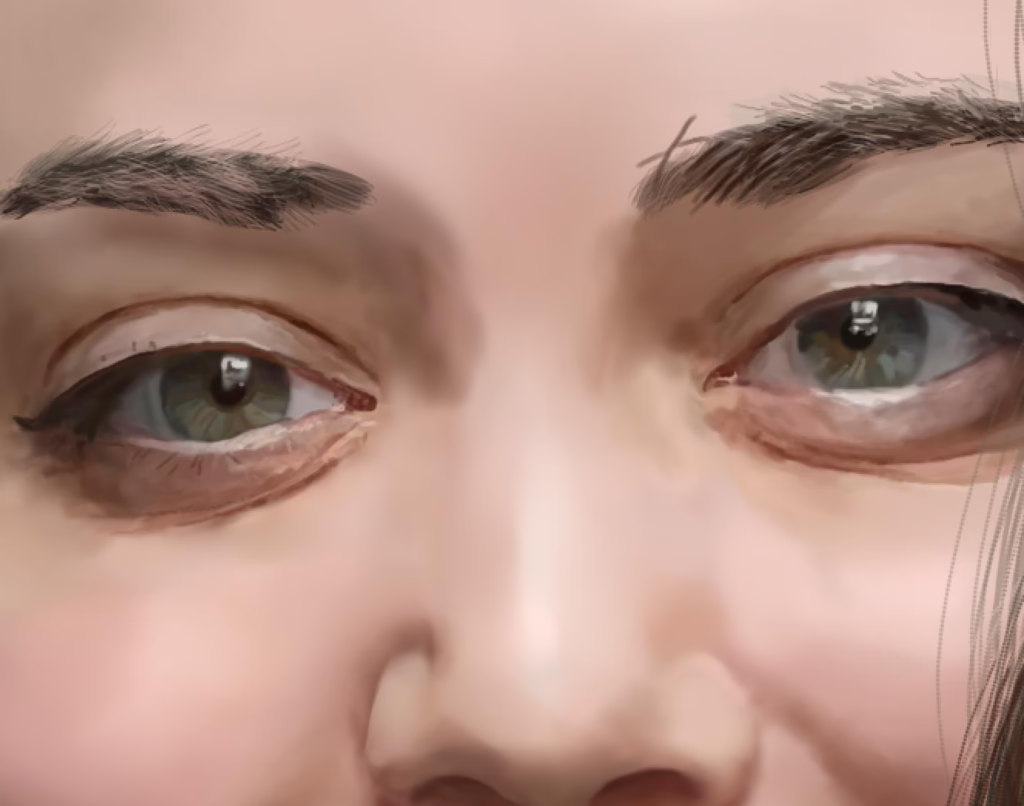
#0702: Mona Lisa's Eyes

The post treats Leonardo’s *Mona Lisa* as a teaching tool, urging artists to focus on its iconic eyes—“windows to the soul”—as a starting point for practice. It recommends using a simple four‑ or eight‑step system (and a video tutorial if preferred) and highlights tools such as Krita’s “M” key for mirroring, careful layer naming and locking, hue adjustments to skin tones, and even searching online for eye‑painting references. The writer encourages experimenting with style changes (e.g., Pop Surrealism), practicing on canvas or panels, and ultimately using the finished work as a phone background and as material for prints, key‑chains, posters, or other creative projects, all while building a personal style through repeated practice and exhibition exposure.